

Keep bedroom humidity between 30% and 50% to protect health, comfort, and your home.
If you wake to clammy sheets, foggy windows, or a musty smell, this guide is for you. I’ve spent years fixing homes with damp rooms and hidden leaks. Here, I share what works, what fails, and why moisture control for bedroom spaces is the fastest way to better sleep, fresher air, and fewer allergies.

Why Moisture Control Matters In Your Bedroom
Moist air is not just a nuisance. It fuels dust mites, mold, and poor sleep. It also hurts wood floors, paint, and electronics. Good moisture control for bedroom health pays off fast.
High humidity makes a room feel warmer and stale. It can trigger asthma and sinus issues. Low humidity dries skin and cracks wood. Balanced air is the sweet spot.
In many homes I audit, a bedroom is the wettest room after the bath. That happens due to poor airflow and cold surfaces. Focused moisture control for bedroom spaces fixes that.

Ideal Humidity Levels And How To Measure Them
Aim for 30% to 50% relative humidity. In summer, 50% is fine. In winter, keep it closer to 30% to avoid window fog. Health agencies and building groups support this range.
Get a digital hygrometer for each room. Set it on a dresser away from windows and vents. Log readings morning and night for one week. Data guides smart moisture control for bedroom routines.
Use a smart sensor if you can. Set alerts at 55% and 30%. Small nudges prevent big issues.

Signs And Sources Of Bedroom Moisture
Watch for these signs. They point to a need for moisture control for bedroom comfort.
- Condensation on windows in the morning
- Musty smells or a sweet, earthy odor
- Peeling paint or swollen trim
- Cold, damp exterior walls
- Spots on caulk, grout, or drywall
- Rust on bed frames or screws
Common sources include daily life and hidden leaks.
- Long showers with a weak bath fan
- Drying laundry indoors
- Houseplants grouped near windows
- Humidifier set too high
- Crawlspace or basement moisture drifting up
- HVAC short cycles or a clogged filter
- Leaky windows, roof, or siding

Quick Fixes You Can Do Today
These simple steps make a fast difference. I use them in every moisture control for bedroom plan.
- Run the bathroom fan for 20 to 30 minutes after showers
- Keep a one inch gap under bedroom doors for airflow
- Open shades by day to warm glass and reduce window fog
- Move bed and dressers two inches off exterior walls
- Set humidifiers to 35% to 40% in winter, then test
- Do not dry clothes in the bedroom
- Use a ceiling fan on low, set to draw air up
- Wipe window sills dry each morning
Small habits add up. Test for a week and note changes.

Ventilation That Works Without Overkill
Ventilation is the backbone of moisture control for bedroom air. You want steady, quiet airflow.
Use a bathroom fan rated at least 50 CFM. Many homes need 80 CFM or more. Let it run during showers and for 20 minutes after.
Clean fan grilles twice a year. Dust cuts airflow. If you have a heat recovery ventilator or fresh air system, set it to meet code airflow. ASHRAE guidance can help set a baseline.
Keep bedroom doors cracked during sleep if safe. Air must move out to stay dry.

Dehumidifiers: Sizing, Placement, And Care
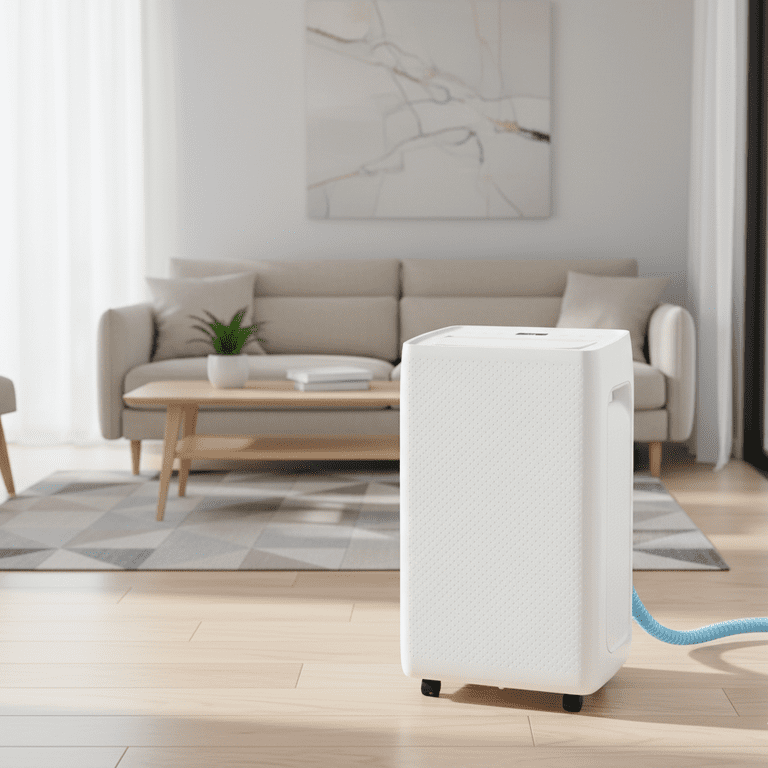
A dehumidifier is a strong tool for moisture control for bedroom stability. Size it to the room. For most bedrooms, a 20 to 30 pint unit is enough. For very damp spaces, choose 35 to 50 pints.
Place it near the center or a known damp spot. Leave at least one foot of space around it. Set to 45% to 50% for summer. Use Energy Star models to save power.
Drain with a hose to a sink if possible. Clean the filter monthly. Rinse the bucket each week. A clean unit pulls more water and lasts longer.
Building Materials And Bedroom Design Choices
Your room finishes affect moisture control for bedroom health. Choose smart materials.
- Use semi‑gloss or satin paint on trim for easy cleaning
- Seal window frames and caulk gaps each year
- Add insulated shades or cellular blinds to warm the glass
- Use moisture resistant baseboards in damp homes
- Pick a low pile rug over thick carpet if the floor feels damp
- Use breathable bedding made from cotton or linen
I once swapped heavy drapes for cellular shades in a coastal home. Window fog dropped by half. Simple upgrades can work wonders.

Mold Prevention And Safe Cleaning
Mold needs water and time. Cut both. That is the heart of moisture control for bedroom safety.
If you see small spots on non‑porous areas, clean with a mild detergent. Rinse and dry well. Use an EPA‑registered cleaner for larger areas. Avoid mixing chemicals. On porous drywall, replace if growth is larger than a few square feet.
Wear gloves and an N95 mask when cleaning. Vent the room. Fix the source of moisture within 24 to 48 hours. Health groups agree that fast drying stops most growth.

Seasonal Strategies That Actually Work
Seasons change your plan for moisture control for bedroom comfort.
Summer:
- Use a dehumidifier, not just AC
- Run ceiling fans on low
- Close windows during humid afternoons
Winter:
- Lower humidifier set‑points when nights get colder
- Use storm windows or window film to warm glass
- Air out the room for five minutes at midday
Coastal or very wet zones need longer fan run times. Arid zones may need short humidifier use. Always verify with a hygrometer.
Budget Tips Vs. When To Call A Pro
You can do most moisture control for bedroom fixes on a budget.
Start with:
- Hygrometer and smart plugs for fans
- Door undercut and clean filters
- Caulk, weatherstrip, and shade tweaks
Call a pro when you see these:
- RH stays above 60% for weeks
- Visible mold larger than a sheet of paper
- Leaks, stains, or wood rot
- Musty odor that returns after cleaning
Pros can test with moisture meters, blower doors, and thermal cameras. They can also check crawlspaces and roof lines you cannot see.
A Simple Daily And Weekly Bedroom Checklist
Turn moisture control for bedroom care into a routine.
Daily:
- Check the hygrometer
- Crack the door at night
- Wipe any window moisture
Weekly:
- Wash bedding in hot water to cut dust mites
- Rinse dehumidifier bucket and filter
- Vacuum with a HEPA filter
Seasonal:
- Clean exhaust fan grilles
- Inspect caulk around windows
- Update humidifier set‑points
These small steps keep the balance steady all year.
Frequently Asked Questions of moisture control for bedroom
What is the best humidity level for a bedroom?
Aim for 30% to 50% relative humidity. In winter, stay closer to 30% to prevent window fog and condensation.
How do I measure humidity accurately?
Use a digital hygrometer placed away from windows and vents. Check morning and night for a week to see patterns.
Will a dehumidifier lower bedroom temperature?
It can make the room feel cooler by drying the air. The actual temperature may change little, but comfort improves.
Can houseplants raise humidity too much?
Yes, many plants in a small room can raise humidity. Space them out and track levels with a hygrometer.
Is bleach good for mold in bedrooms?
On non‑porous surfaces, some cleaners with bleach can work. For porous materials or larger areas, use proper products or call a pro.
Does running the bathroom fan help bedroom moisture?
Yes, removing steam at the source keeps moisture from spreading. Run it during showers and 20 to 30 minutes after.
Are window fog and condensation a big problem?
Frequent fog means surfaces are cold and humidity is high. It can lead to damage and mold if ignored.
Conclusion
Moist air steals comfort, sleep, and money. With a meter, better airflow, and smart tools, moisture control for bedroom spaces becomes simple and steady. Small changes like running fans longer and sizing a dehumidifier right bring fast wins.
Start today. Get a hygrometer, log your numbers, and try two fixes from this guide. Share your results, subscribe for more tips, and ask your questions so we can fine‑tune your plan together.