

A moisture absorber for large rooms reduces humidity, fights mold, and protects your space.
If your living room, basement, or studio feels damp or musty, you’re in the right place. I’ve spent years testing gear in real homes, from coastal condos to chilly basements. This guide breaks down everything you need to know about choosing and using a moisture absorber for large rooms, with simple steps, real results, and expert-backed tips that work.
What is a moisture absorber for large rooms?
A moisture absorber for large rooms is any tool or device that removes extra water from the air in big spaces. It can be an electric dehumidifier, a refillable desiccant tub, or a reusable drying unit. The goal is to hold indoor humidity near 30 to 50 percent, which experts agree is the sweet spot for comfort and health.
Why it matters:
- Too much moisture feeds mold and dust mites.
- Fabrics, walls, and wood can swell or warp.
- Electronics and books can get damaged fast.
You can think of air like a sponge. When it holds too much water, the room feels heavy and smells off. A good moisture absorber for large rooms keeps that “sponge” in check so you can breathe easy.
Do you need one? Signs to watch for
Look for these clues. If two or more show up, you likely need a moisture absorber for large rooms:
- Musty smell that comes back after cleaning.
- Condensation on windows or cold walls.
- Visible mold spots on baseboards or corners.
- Sticky air, clammy skin, or slow-drying laundry.
- Warped wood floors, swollen doors, or peeling paint.
- Relative humidity above 60 percent on a hygrometer.
A basic digital hygrometer costs little and gives fast answers. If your reading is often over 60 percent, it is time to act.
Types of moisture absorber for large rooms
Not all options work the same. Here is how each type fits big spaces.
Electric compressor dehumidifiers
Best for most homes. They pull air over cold coils to condense water.
- Strengths: High capacity, energy efficient in warm rooms, many sizes.
- Use when: Room is above 65°F and over 300 square feet.
Desiccant dehumidifiers
They use a drying wheel or material that absorbs water, then dries it with heat.
- Strengths: Work well in cooler rooms, steady performance.
- Use when: Space is cool, like basements or garages in shoulder seasons.
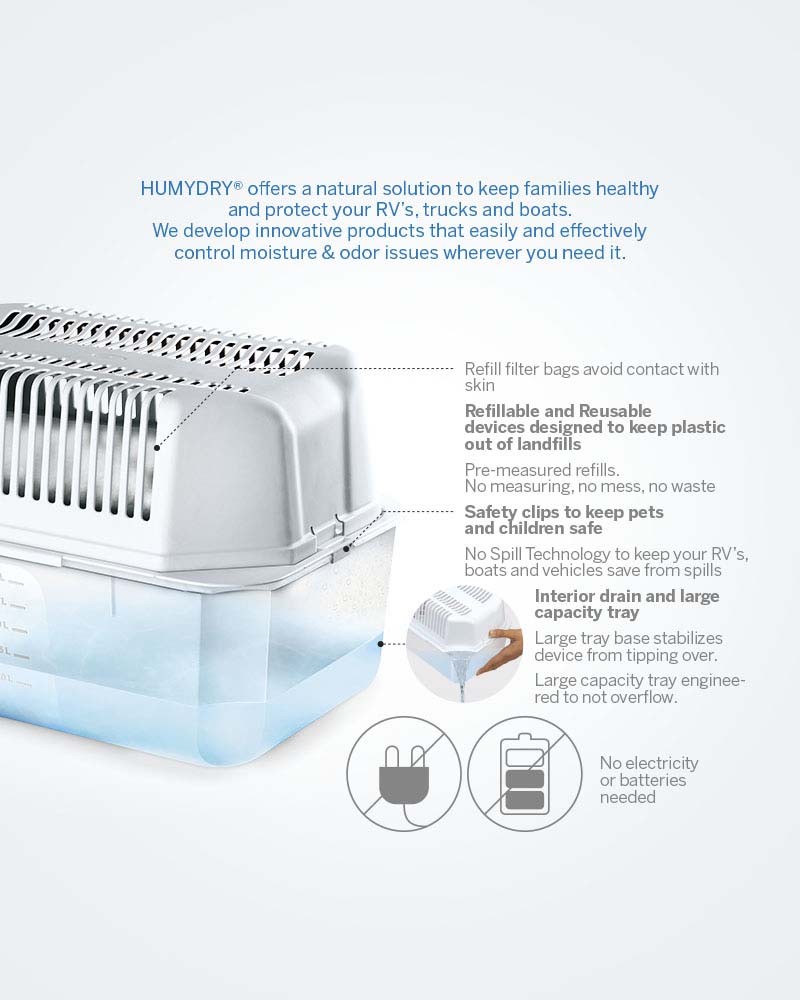
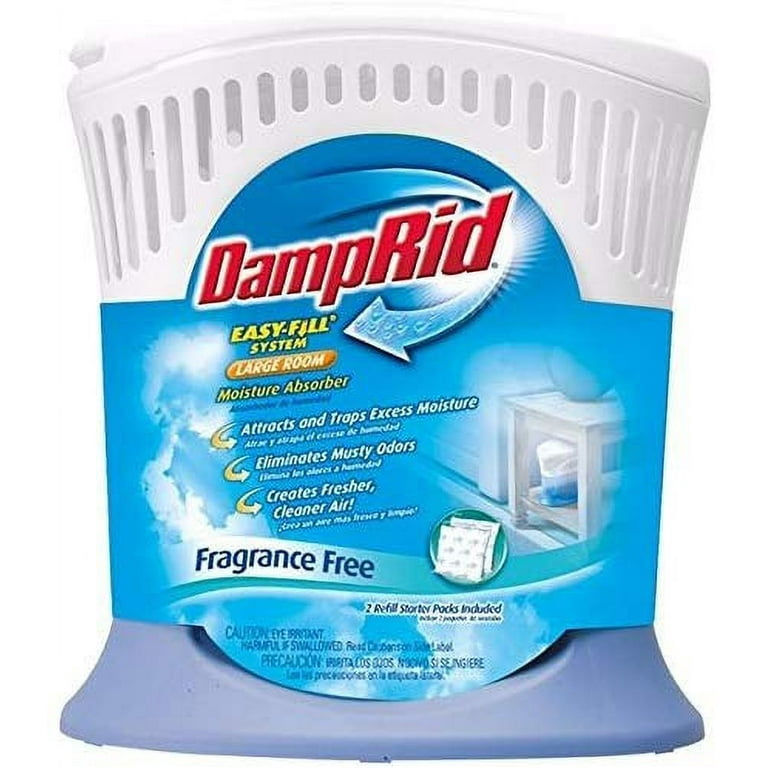
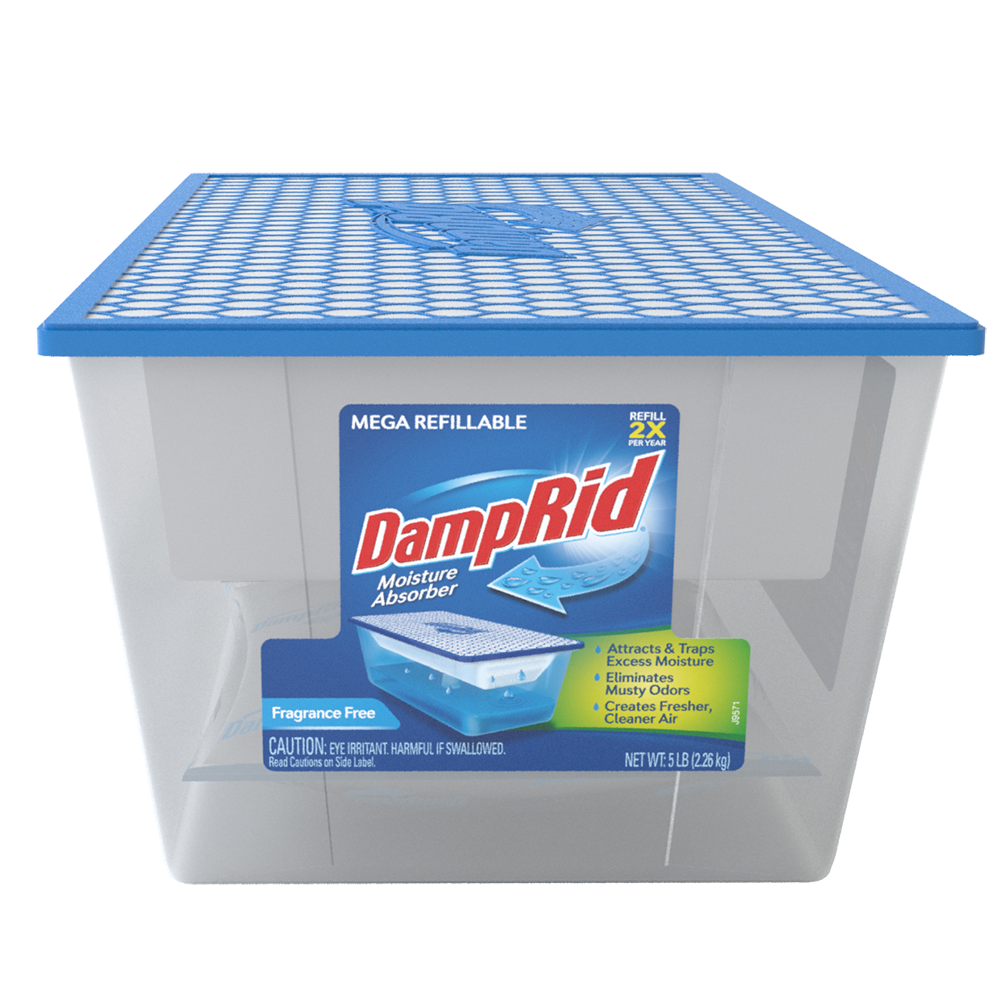
Passive desiccants (tubs, bags, crystals)
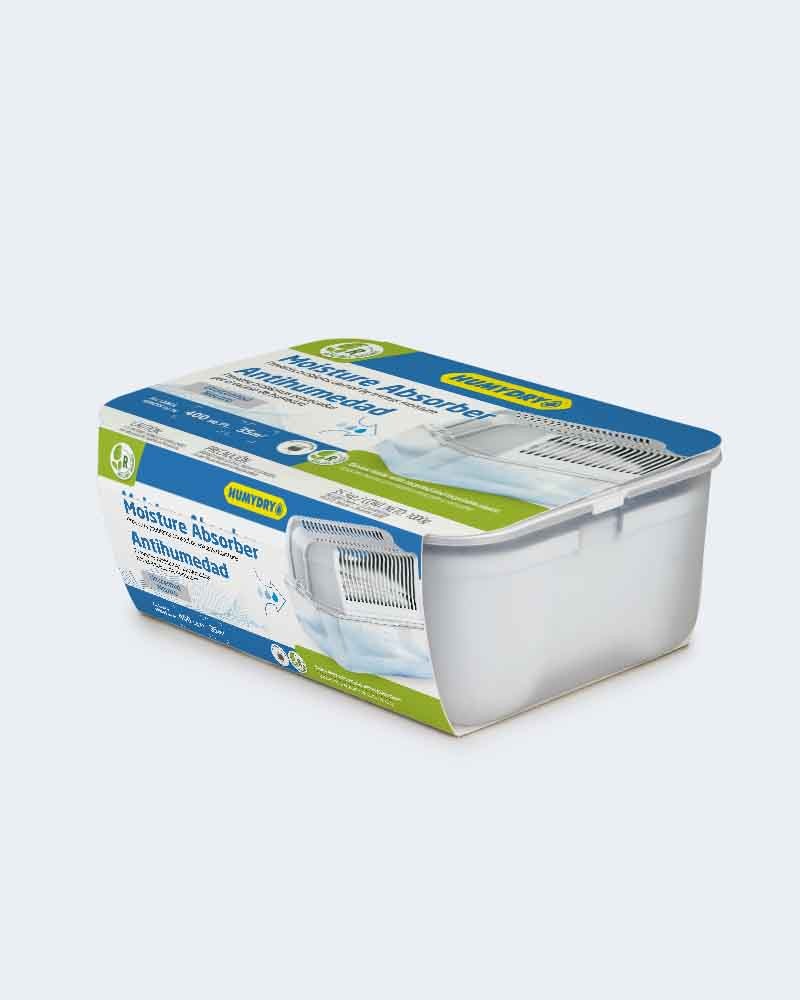
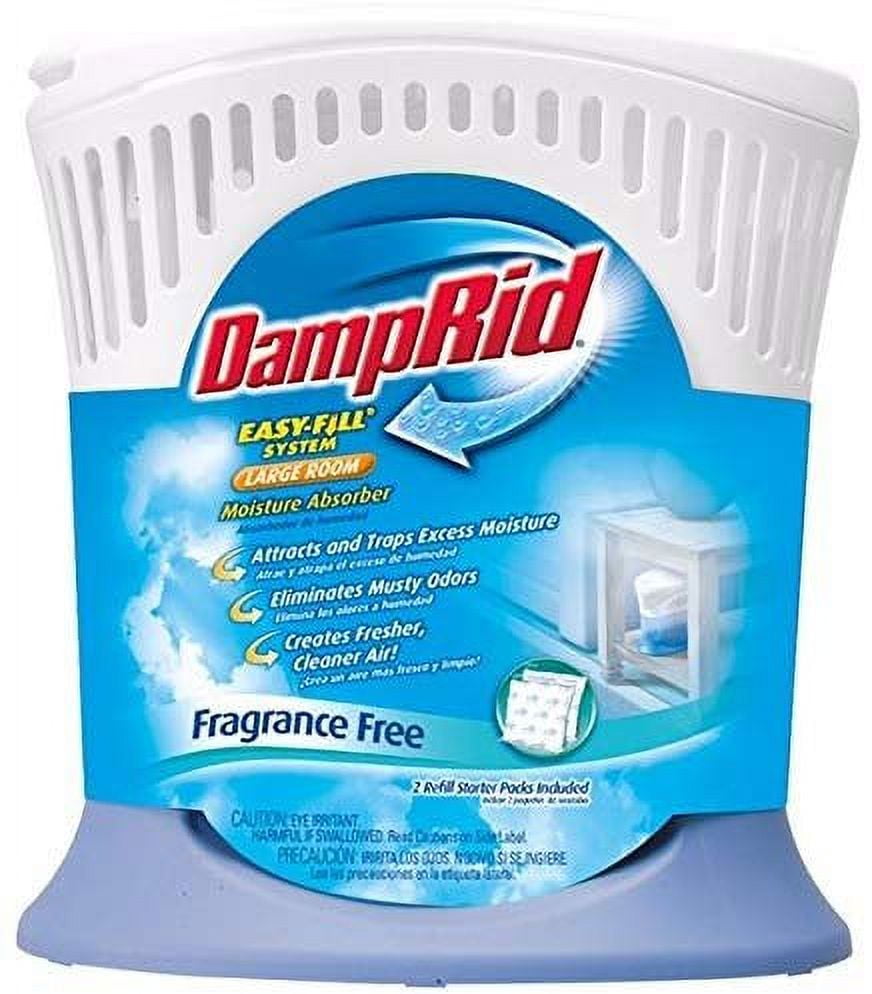
These use calcium chloride or silica gel to absorb water without power.
- Strengths: Silent, cheap, no power needed.
- Limits: Small capacity. Use only as backup or for closets, not a whole large room.
Smart or whole-home options
Some tie into HVAC or have app control, sensors, and auto-drain.
- Strengths: Always-on control, set-and-forget.
- Use when: You want consistent results and remote checks.
A simple rule: For large rooms, an electric dehumidifier is almost always the best moisture absorber for large rooms, with passive products as support.
How to size the right moisture absorber for large rooms
Picking the right size saves time and money. Follow these steps.
- Measure the room. Length times width for square feet. Add up open areas if rooms connect.
- Check humidity. Use a hygrometer for a day. Note the highest reading.
- Know your climate. Coastal, rainy, or basement spaces need more capacity.
- Match capacity to need. Modern ratings list 20 to 70 pints per day. Larger rooms with high humidity often need 50 to 70 pints.
- Use a quick guide:
- Mild moisture under 60 percent RH in 400 to 700 square feet: 35 to 40 pints.
- Damp room 60 to 70 percent RH in 700 to 1,000 square feet: 50 pints.
- Very damp or wet over 70 percent RH in 1,000 to 1,500 square feet: 60 to 70 pints.
- Check features that help large rooms:
- Built-in humidistat to set target RH.
- Continuous drain or pump so you do not empty buckets.
- Auto-restart after power loss.
- Large, washable air filter for dust.
- Energy Star for lower power draw.
If you are between sizes, go bigger. An undersized moisture absorber for large rooms will run nonstop and still fall short.
Setup and placement tips that boost results
Where and how you place your device matters a lot.
- Put it near the dampest spot or center of the room.
- Keep 12 to 18 inches of space around it for airflow.
- Close windows and doors while it runs.
- Aim for vents not blocked by furniture or curtains.
- Use continuous drain to avoid overflow, or add a pump if the sink is higher.
- Set the target RH to 45 to 50 percent for living spaces, 50 to 55 percent for basements.
If the room is oddly shaped, run a fan on low. This helps move air to the unit.

Maintenance, safety, and ongoing costs
A moisture absorber for large rooms will only work well if you care for it.
- Empty and clean the bucket. Do this weekly if not using a drain.
- Clean the air filter every 2 to 4 weeks. Dust reduces airflow and raises power use.
- Disinfect the bucket monthly. A simple mild cleaner helps stop biofilm.
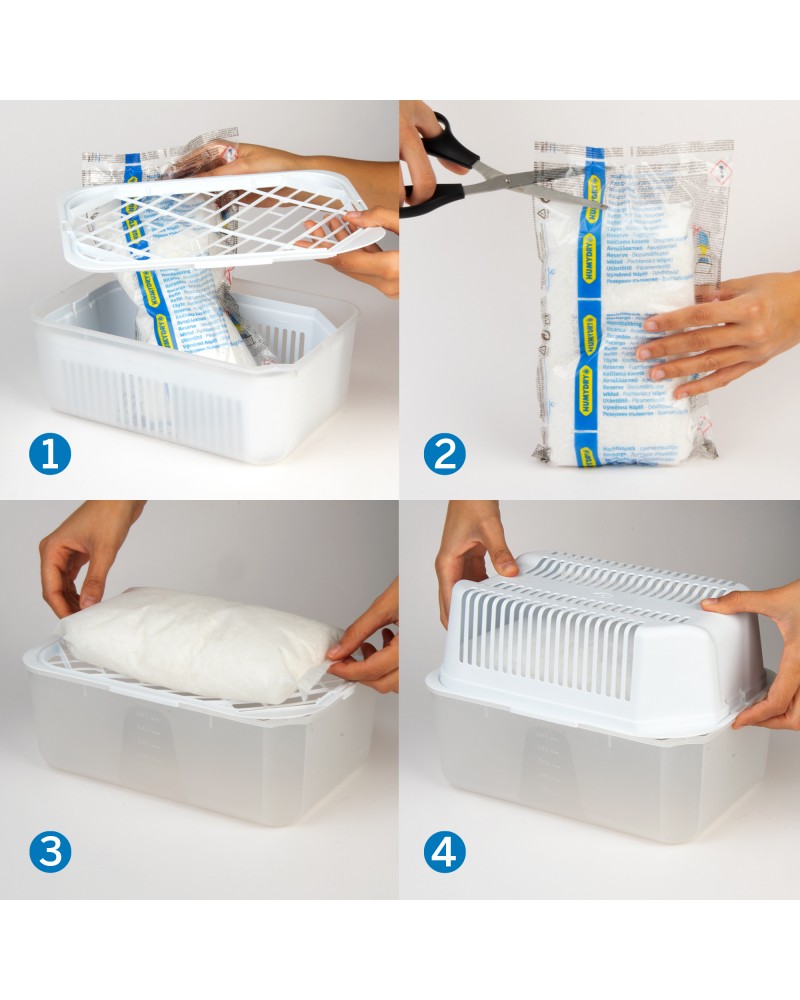
- For passive desiccants, replace crystals when they liquefy, or regenerate silica per the instructions.
- Expect energy use. A 50-pint unit may draw 400 to 700 watts while running. A right-sized model will cycle on and off and cost less.
- Safety checks. Keep cords dry, avoid extension cords, and check hose connections for leaks.
Most experts advise keeping indoor RH below 60 percent to reduce mold risk. Aim lower, around 45 to 50 percent, for daily comfort.
Real-world examples and lessons learned
Here are two cases from my own work with moisture absorber for large rooms.
-
900-square-foot basement family room, humid summer climate. Starting RH: 72 percent. We used a 50-pint Energy Star unit with a hose to a floor drain. After two days, RH stabilized at 48 to 50 percent. Odors faded in a week. The client later added a small fan to improve corner airflow and saw even readings across the space.
-
600-square-foot coastal living room with big windows. Starting RH: 68 percent. Salt air and morning fog made it worse. We placed a 35-pint unit near the middle of the room and set RH to 50 percent. On foggy mornings it ran more, but by afternoon it cycled off. Books and guitar cases stayed dry, and window condensation stopped.
Small tweaks matter. Good placement and a steady RH set point often beat buying a larger unit.
Complementary moisture control strategies
A moisture absorber for large rooms works best with a few simple habits.
- Fix water sources. Seal window leaks, repair roof flashings, and check plumbing.
- Improve airflow. Use ceiling fans on low and keep vents clear.
- Vent wet tasks. Run bath and kitchen fans that vent outdoors.
- Manage temperature. Warmer air holds more water. A small drop can cut condensation on cold surfaces.
- Add barriers. In basements, use vapor barriers and seal rim joists where it makes sense.
- Skip moisture-loving plants in very damp rooms. Move them or reduce watering.
These steps reduce the load on your device and speed up results.
Common mistakes to avoid
Avoid these traps when using a moisture absorber for large rooms.
- Buying too small. The unit runs all day and still misses your RH target.
- Poor placement. Tucked in a corner with no airflow, it cannot pull room air.
- Doors and windows open. You will dehumidify the outdoors too.
- Skipping filters and cleaning. Dust chokes performance and can smell.
- Wrong expectations for passive products. Tubs and bags cannot tame a big, wet room.
If results feel slow, check air leaks, upgrade to a bigger model, or add a fan for better mixing.
Buying checklist: features that matter
Use this list to compare options and pick the best moisture absorber for large rooms.
- Capacity rating at standard test conditions.
- Energy Star certification for lower power use.
- Built-in humidistat with clear digital display.
- Continuous drain option or internal pump.
- Auto-defrost for cool spaces.
- Auto-restart after outages.
- Washable filter and easy bucket design.
- Noise level in decibels you can live with.
- Smart controls if you want remote checks and alerts.
- Warranty and service network in your region.
Bring your room size and RH data when you shop. It speeds up the choice and avoids buying twice.
Frequently Asked Questions of moisture absorber for large rooms
What humidity level should I set?
Most experts suggest 45 to 50 percent for living areas. Basements can sit at 50 to 55 percent to reduce mold risk while avoiding over-drying.
How long until I see results?
You may feel a change in hours, but full results can take one to three days. Severe dampness or water leaks will take longer and need fixes.
Can a passive desiccant handle a big room?
Not by itself. For large rooms, use an electric dehumidifier and keep passive packs for closets, cabinets, or storage bins.
Where should I drain the water?
Use a floor drain, sink, or a condensate pump to move water up to a sink. Make sure the hose slopes downward and is secured.
Is it safe to run all day?
Yes, if the unit is well maintained and vents are clear. The humidistat will cycle the unit to hold your target RH.
Will it make my room too dry?
Unlikely if you set a target RH around 45 to 50 percent. Good units shut off when they hit the set point.
What about cold rooms or winter?
Use a desiccant dehumidifier or a model with auto-defrost. In very cold rooms, increase heat a little to improve performance.
Conclusion
A well-chosen moisture absorber for large rooms protects your home, your health, and your stuff. Size it right, place it well, and keep it clean. Aim for that steady 45 to 50 percent RH, and let the device do the heavy lifting.
Take the next step now. Measure your room, check your humidity, and pick a unit that fits. Have questions or a tricky space? Share your details and I’ll help you dial in a plan that works.