

Keep safe humidity at 40–50% using dehumidifier rods, desiccants, and a hygrometer.
If you own firearms, you need more than a heavy box. You need a plan. Moisture control for gun safes protects steel, wood, optics, and ammo from rust and rot. I’ve managed safes in swampy summers and dry winters. This guide gives you practical steps that work, backed by data and years of hands-on tweaks.
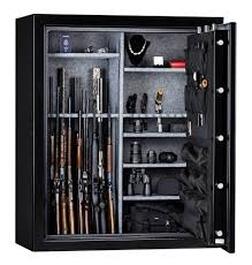
Why moisture matters in a gun safe
Rust does not sleep. Even a small rise in humidity can pit bluing, haze optics, and swell wood stocks. Moisture control for gun safes cuts risk by keeping the air stable and dry.
Two things trigger corrosion fast. Warm, humid air and rapid temperature swings. A warm room and a cooler safe wall can create condensation. That is enough to spot a barrel in a night.
The best target is simple. Aim for 40–50% relative humidity inside the safe. That range protects steel and avoids over-drying wood. It also keeps adhesives and seals healthy. Make moisture control for gun safes part of your regular routine, not a one-time fix.

How moisture gets into your safe
Safes are not perfect vaults. Moisture sneaks in through small gaps and daily use.
- Opening the door brings in a rush of room air. If your room is humid, your safe becomes humid.
- Concrete floors hold moisture. A safe on bare slab can stay cooler and sweat on the inside.
- Weather swings change dew point. Nighttime cooling can push air to the condensation point.
- Wet gear adds water. A damp case, sling, or jacket will raise humidity for days.
- New construction and basements have higher moisture. Fresh paint, drywall, and soil release water vapor.
Knowing the path helps you block it. Moisture control for gun safes starts with the room and the floor, not just the door.

Ideal humidity targets and how to measure them
Set a clear goal. Keep relative humidity between 40% and 50%. Try not to drop below 30% for long periods. Very dry air can crack stocks and shrink grips.
Use a digital hygrometer. Place it at mid height, away from the rod or desiccant so readings are honest. Many owners add a second unit near the floor. This shows any moisture gradient.
Calibrate your hygrometer once. A simple salt test works. Place damp (not soupy) table salt in a cup inside a sealed bag with the sensor for 8–12 hours. It should read about 75% RH. Note the offset. Good measurement is the base of moisture control for gun safes.
Moisture control options: what actually works
You have three main tools. Desiccants, dehumidifier rods, and small electric dehumidifiers. Each has a place in moisture control for gun safes. Use one or mix them for best results.
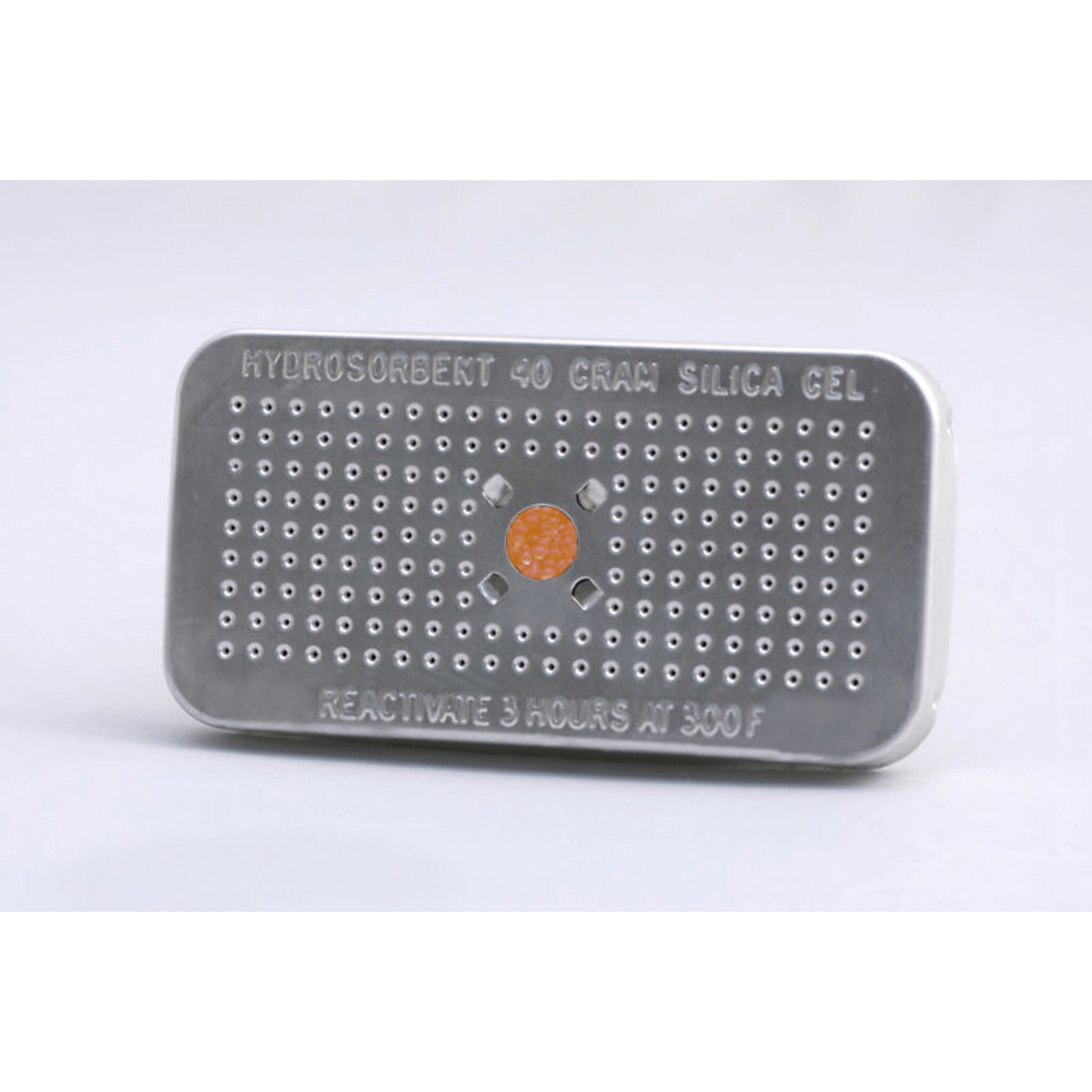
Desiccants (silica gel and molecular sieve)
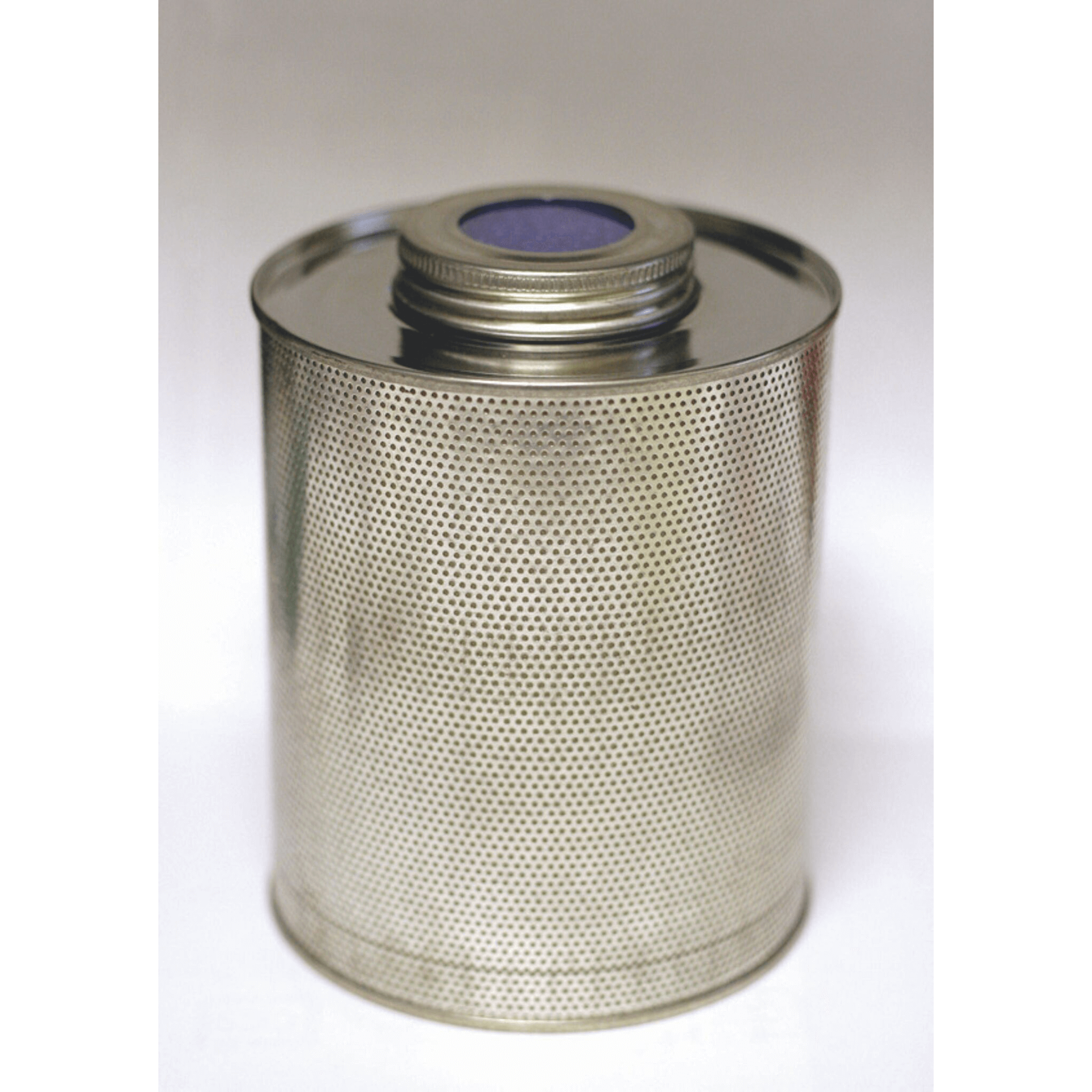
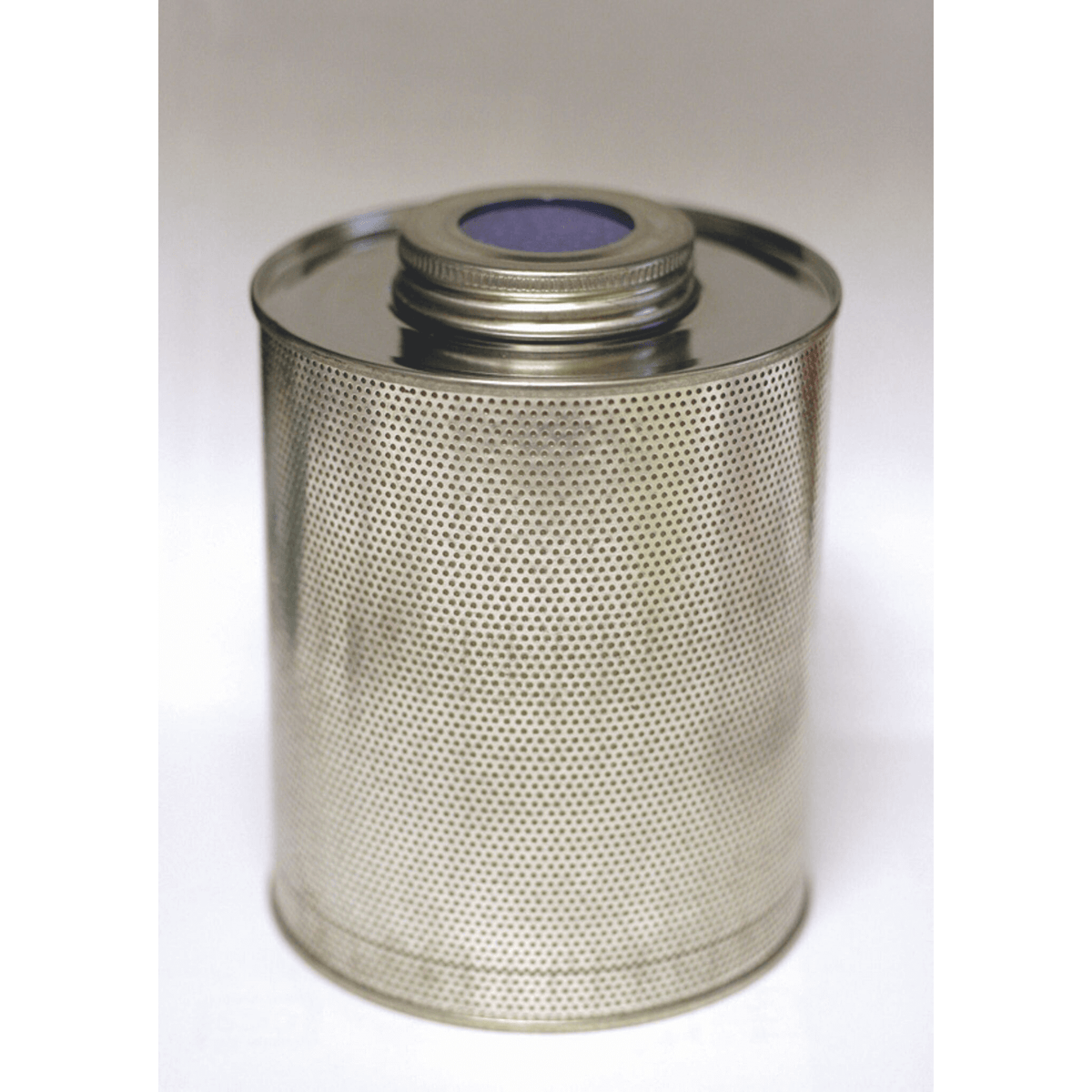
These absorb water from the air. They are cheap, silent, and safe with ammo. Choose canisters or pouches rated for your safe’s cubic feet. Oversize when in doubt.
- Pros: No wiring, instant install, great for small safes.
- Cons: Need recharging in an oven or plug-in base. Can saturate fast in wet climates.
Tip from the field: I keep one large canister low and a small pack up high. This evens out the load and gives early warning when the top pack changes color.
Dehumidifier rods (low-watt heater rods)
These warm the air a few degrees. Warm air holds more moisture, so it flows up and out of crevices. This reduces condensation on cold steel.
- Pros: Set-and-forget, long life, stable humidity.
- Cons: Needs power and a cord pass-through. Very damp rooms may still need a desiccant backup.
Place the rod near the bottom, close to the back wall. Keep 1–2 inches of space for airflow.
Compact electric dehumidifiers
Peltier or micro-compressor units pull moisture into a tank. They can dry a safe fast after a wet day.
- Pros: Active drying, handy after door-open sessions.
- Cons: Needs power, makes a little heat, and needs tank emptying.
For most homes, I suggest a rod plus a small desiccant. It is a simple and sturdy plan for moisture control for gun safes. In coastal or basement spaces, add an active unit for the rainy season.
Setup and placement: getting it right
Small changes make a big difference. Think airflow, spacing, and contact points.
- Lift the safe off bare concrete. Use a mat, pallet, or anchored base. This buffers the cool slab effect.
- Space items from the walls. Leave an inch gap so air can pass around stocks and barrels.
- Put the rod low and desiccants where air flows. One low, one mid, and one near the door if needed.
- Store long guns muzzle down on racks when possible. Any oil runs out, not into the action.
- Keep optics capped and wipe steel with a light protectant film. Do not pool oil on wood.
- Keep ammo in sealed cans with a small desiccant inside. This isolates moisture sources.
This setup tightens your system. It is low cost and high return for moisture control for gun safes.

Maintenance schedule and seasonal strategy
Set a simple calendar. Small habits beat big repairs.
- Check the hygrometer weekly at first. Then go monthly once it is stable.
- Recharge desiccants when their indicator changes color. In summer, that may be every 2–4 weeks. In winter, 6–8 weeks.
- Dust the rod and wipe vents. Lint reduces heat flow and airflow paths.
- After long door-open sessions, run an active dehumidifier for a day. This resets the safe faster.
- During storms or outages, add extra desiccant. If power is down, absorb the spike.
I swap to heavier moisture control for gun safes in spring and fall. Swings are largest then. I also keep a spare hygrometer to confirm readings after big weather shifts.
Rust prevention beyond moisture control
Dry air helps, but surface care seals the deal. Think layers of defense.
- Clean before storage. Salts from sweat speed up rust. A quick wipe with a silicone cloth helps.
- Use a proven protectant. A thin coat on steel parts is enough. Avoid heavy oil on wood.
- Avoid foam that traps moisture. If you use foam cutouts, add VCI paper or a desiccant nearby.
- Consider VCI emitters or bags. They release vapor that bonds to metal and blocks corrosion.
- Rotate firearms. Handle and inspect each piece every month or two.
These steps make moisture control for gun safes more forgiving. You get more margin when weather misbehaves.

Common mistakes to avoid
- Relying on the safe’s “seal” alone. Safes slow air, but they do not stop vapor.
- Using too little desiccant. Undersized packs saturate fast and give false comfort.
- Skipping measurement. A hygrometer tells you the truth. Guessing does not.
- Placing a rod high. Warm air rises. Start heat at the bottom.
- Storing damp gear inside. Dry cases and slings first.
- Forgetting the floor. Concrete will chill steel and invite condensation.
- Over-drying for months. Wood and leather can crack. Balance matters.
Avoid these and moisture control for gun safes becomes simple and steady.
Troubleshooting: if you still see rust or damp
- Verify humidity with a second hygrometer. Calibrate both. Replace weak batteries.
- Look for cold bridges. Check where steel touches the safe wall or the floor. Add felt pads or spacers.
- Add capacity. Double your desiccant or step up to a larger rod.
- Dry the room. A room dehumidifier set to 45–50% RH eases the safe’s load.
- Reset after a wet event. Open the door with a fan in a dry room for 15 minutes, then close with active drying for 24 hours.
- Treat the metal. Remove light rust with oil and a soft pad. Reapply protectant.
These steps will stabilize most cases. Keep notes. They help you refine moisture control for gun safes over time.
Frequently Asked Questions of moisture control for gun safes
What humidity should I keep inside my gun safe?
Aim for 40–50% relative humidity. This range protects metal and wood without over-drying parts.
Do I need both a dehumidifier rod and desiccant?
Often yes, especially in humid areas. The rod prevents condensation, and desiccant handles moisture spikes after opening the door.
How big should my desiccant be for a large safe?
Follow the manufacturer’s cubic-foot rating and oversize by at least 1.5 times. Large safes often need more than one canister for even coverage.
How often should I recharge silica gel packs?
Recharge when the indicator changes color or monthly in summer. If your safe is near 50% RH, expect more frequent cycles.
Can over-drying harm my firearms?
Yes, very dry air can dry out wood stocks and leather slings. Try not to stay below 30% RH for long periods.
Is a hygrometer really necessary?
Yes. Measurement guides your setup and alerts you to changes. It is the cheapest insurance you can buy.
Will a room dehumidifier help my safe?
It does. Drying the room lowers the safe’s starting point and makes control inside the safe much easier.
Conclusion
Moisture does not need to be a mystery. Measure with a hygrometer, aim for 40–50% RH, and use a smart mix of a rod and desiccant. Add good storage habits and quick checks, and you will stop rust before it starts.
Start today. Place your hygrometer, note the reading, and pick one upgrade to improve moisture control for gun safes. If this guide helped, subscribe for more hands-on tips or share your safe setup so others can learn from your experience.