

Use a dehumidifier, improve airflow, fix leaks, and control daily moisture.
If sticky air is wrecking your sleep, you are in the right place. I have helped many homeowners figure out how to reduce humidity in bedroom with easy wins and smart fixes. This guide gives clear steps, pro tips, and simple science so you can breathe easy and sleep better.
:max_bytes(150000):strip_icc()/diy-dehumidifier-5104638-8b877043001b45c8a1d19c450480e8e8.jpg)
Why bedroom humidity matters and signs to watch
Humidity is water in the air. Too much makes your room feel warm, clammy, and stale. It also feeds mold and dust mites, which can trigger allergies and asthma.
Aim for 40% to 50% relative humidity in sleeping spaces. Many experts mark 30% to 50% as the safe range. Mold often grows above 60%. Dust mites thrive above 50%.
If you ask how to reduce humidity in bedroom, start by measuring it. Use a simple hygrometer. Place it at chest height, away from windows and vents. Log numbers in the morning and at night for a week. This shows patterns and helps you choose the right fix.
Common signs of high bedroom humidity:
- Your sheets feel damp or sticky
- Musty smell in closets or near baseboards
- Condensation on windows, mirrors, or cold walls
- Waking up congested or with scratchy eyes
- Visible mold on window sills or behind furniture

Fast actions you can take today
Here is how to reduce humidity in bedroom fast with simple moves. Start with air and heat.
- Create cross-ventilation. Open two windows on cooler, drier mornings or evenings.
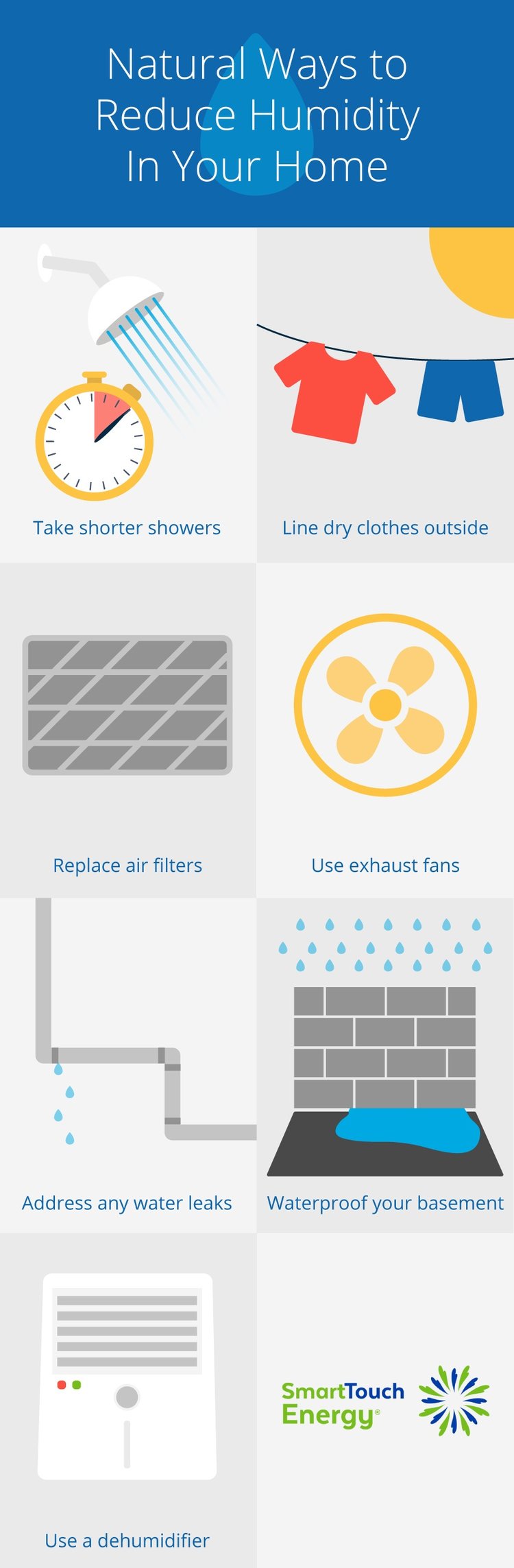
- Use your bath fan for 20 minutes after showers. Keep the bathroom door closed so steam does not drift into the bedroom.
- Set your HVAC fan to Auto, not On. Auto lets the coil strip moisture. On can re-evaporate water.
- Try your AC Dry mode if you have it. It slows airflow to pull more water out of the air.
- Close windows during hot, humid hours. Opening them then can bring in more moisture.
- Run a ceiling or pedestal fan. Airflow helps sweat evaporate and keeps bedding dry.
Quick note from my field work: I once dropped a guest room from 64% to 49% in one evening by running the bath fan after showers and closing the bedroom window during a muggy afternoon. Small habits stack up.
Daily habits that cut moisture at the source
Daily habits are the heart of how to reduce humidity in bedroom. Most moisture comes from showers, cooking, and wet laundry. Some comes from plants and even your breath.
- Dry clothes outside the bedroom. Never hang wet laundry in there.
- Vent the dryer outdoors. Clean the lint duct so air flows well.
- Cook with lids on pots. Run the kitchen hood when boiling water.
- Take shorter, cooler showers. Use the bath fan. Shut the door.
- Limit houseplants in the bedroom. Overwatering raises humidity.
- Cover fish tanks and try a tight lid.
- Wipe window condensation in the morning. It keeps frames from molding.
- Keep the door closed during steamy tasks. Do not let moist air drift in.
My own lesson learned: I loved big leafy plants. But five thirsty plants raised my small room by 5% RH. Moving them to the living room fixed it in two days.
 dehumidifiers, AC, and desiccants”
style=”max-width: 100%; height: auto; border: 2px solid black; border-radius: 10px; display: block; margin: 0 auto;”
loading=”lazy”
/>
Tools that work: dehumidifiers, AC, and desiccants
Tools matter when learning how to reduce humidity in bedroom. Choose the right one and place it well.
Dehumidifiers
- Pick the right size. For most bedrooms, a 20 to 35 pint unit works well. Very damp rooms may need 35 to 50 pint.
- Place with space. Keep 6 to 12 inches from walls for good airflow.
- Drain smart. Use a hose to a sink or a condensate pump for long runs.
- Clean the filter monthly. Rinse the bucket and check the coil for dust.
Air conditioning
- Set a steady temperature. 72 to 76°F is a good start for comfort and moisture control.
- Use Auto fan. It helps the coil remove water.
- If your AC is too big, it may cool fast but not dehumidify well. Ask a pro to check sizing or add a dedicated dehumidifier.
Desiccants and adsorbents
- Use calcium chloride tubs or silica gel in closets and drawers.
- These help small spaces, but they are not a full room solution.
- Replace or recharge them as directed.
Pro tip: I dropped a coastal bedroom from 70% to 45% in 48 hours with a 35 pint dehumidifier and a short hose to a shower drain. The key was running it on continuous mode and closing the window during humid hours.
Home fixes that stop moisture from getting in
Sealing leaks is core to how to reduce humidity in bedroom for good. Keep rain and damp air out. Then control indoor sources.
- Seal window and door gaps with caulk and weatherstripping.
- Add door sweeps to reduce humid air from halls or outdoors.
- Fix roof, flashing, or siding leaks right away.
- Clean gutters and extend downspouts. Move water 6 feet from the foundation.
- Improve grading so soil slopes away from the house.
- If you have a crawl space, use a ground vapor barrier and vent or condition it correctly.
- Check for plumbing leaks in walls, under sinks, and behind the toilet.
- If you run a whole-house humidifier in winter, turn it off when RH rises above 40%.
These steps follow best practices recommended by building science and HVAC groups. Simple air sealing and drainage often beat gadgets in the long run.

Bedroom layout, bedding, and cleaning tips
Layout and cleaning also affect how to reduce humidity in bedroom. Air needs paths to move. Fabrics need time to dry.
- Let air move under the bed. Use a slatted base. Avoid boxes or heavy storage under there.
- Pull furniture 2 inches off exterior walls. This stops cool spots where moisture condenses.
- Keep closets dry. Use louvered doors or a small vent. Add a desiccant pack on the shelf.
- Choose breathable bedding like cotton or linen. Wash sheets weekly in warm or hot water.
- Use a mattress protector to block sweat from soaking in. Let the bed air out each morning.
- Vacuum carpets with a HEPA filter. Dust holds moisture and feeds mites.
- Sun-dry pillows and comforters when possible. UV helps keep them fresh.
I once found mold behind a solid headboard pressed to a cold wall. Pulling it out just two inches and adding a small fan stopped the problem.

Seasonal and climate-based strategies
Seasons change how to reduce humidity in bedroom. Match your plan to the weather and your region.
Humid summers
- Run AC on Auto and use a dehumidifier in the bedroom if needed.
- Close windows during hot, damp hours. Ventilate at dawn or late night when air is drier.
- Use blackout shades to cut solar heat that drives AC short cycles.
Cold winters
- If windows sweat, RH is too high for the outdoor temp. Lower indoor RH to 30% to 40%.
- Use a heat recovery ventilator if you have one for fresh air without big heat loss.
- Keep blinds slightly open to let air wash the glass.
Coastal or rainy climates
- Prioritize air sealing and dehumidifiers. Outdoor air often runs above 60% RH.
- Store items off floors and away from exterior walls.
Basement bedrooms
- Address foundation leaks and install a sump or perimeter drain if needed.
- Use a vapor barrier on walls and floors as advised by a pro.
- Expect to need a dehumidifier most of the year.
Troubleshooting and when to call a pro
If numbers stay high, troubleshoot how to reduce humidity in bedroom with this list. Work through it step by step.
- Measure RH morning and night for a week. Note weather and indoor habits.
- Check for hidden leaks with a moisture meter on walls near plumbing.
- Smell for musty odors in closets and under windows.
- Inspect HVAC filters, coils, and drain pans. Clean or service as needed.
- Compare indoor and outdoor dew point. Vent only when outdoors is drier.
- Review bath and kitchen fan use. They matter more than people think.
Call a pro when:
- You see recurring mold, peeling paint, or warped floors.
- RH stays above 60% for weeks despite your efforts.
- Your AC short cycles or struggles to hold temp and dryness.
- You suspect a building envelope or foundation issue.
A simple maintenance routine
A routine locks in how to reduce humidity in bedroom results. Make it easy and repeatable.
Daily
- Run bath fans after showers. Keep bedroom door closed during steamy tasks.
- Air out the bed for 15 minutes before making it.
- Check windows for condensation and wipe if needed.
Weekly
- Wash bedding. Vacuum carpets and under the bed.
- Water plants sparingly or move them out if RH creeps up.
- Empty and clean the dehumidifier bucket. Rinse the filter if washable.
Monthly
- Clean AC or dehumidifier filters. Check hoses and drains.
- Inspect caulk and weatherstripping around windows and doors.
- Log a 24-hour RH snapshot to catch trends early.
Frequently Asked Questions of how to reduce humidity in bedroom
What is the ideal humidity level for a bedroom?
Aim for 40% to 50% relative humidity for comfort and health. Below 30% can feel dry, and above 60% can invite mold.
How to reduce humidity in bedroom without a dehumidifier?
Use bath and kitchen fans, close windows during humid hours, and ventilate when outdoor air is drier. Run AC on Auto and avoid drying laundry indoors.
Is AC or a dehumidifier better for bedrooms?
AC cools and can remove moisture, but a dehumidifier targets water more directly. In very humid climates, using both gives the best control.
Do houseplants help or hurt bedroom humidity?
Most raise humidity, especially if overwatered. Keep just one small plant or move larger ones to another room.
Why is my bedroom more humid than the rest of the home?
Common causes are poor airflow, exterior wall condensation, or steam drifting in from baths and kitchens. Check for window leaks and under-bed clutter that traps damp air.
How long does it take to lower humidity in a bedroom?
With a right-sized dehumidifier, results show in hours. With only habit changes, expect steady progress over a few days.
Can high humidity affect sleep and allergies?
Yes. Humid air feels warmer, disrupts deep sleep, and feeds dust mites and mold. Better control often reduces congestion and nighttime coughing.
Conclusion
You now have a clear plan to cut moisture at the source, block it from outside, and remove what is left. Start small today, measure results tomorrow, and build up from there. If you follow these steps, you will see how to reduce humidity in bedroom in a real, lasting way.
Take one action right now: set your AC fan to Auto and run the bath fan after your next shower. Want more practical guides like this? Subscribe or drop your questions in the comments so I can help next.