

Calcium chloride absorbs more moisture; silica gel is cleaner, reusable, and gentler.
If you want a simple answer to calcium chloride vs silica gel, here it is: both fight humidity well, but they shine in different jobs. I’ve used both in homes, labs, warehouses, and shipping. In this guide, I’ll break down the science, the trade-offs, and real-world picks. You’ll see when calcium chloride vs silica gel is the smarter move, how to size it right, and how to avoid costly mistakes.

What They Are and How They Work
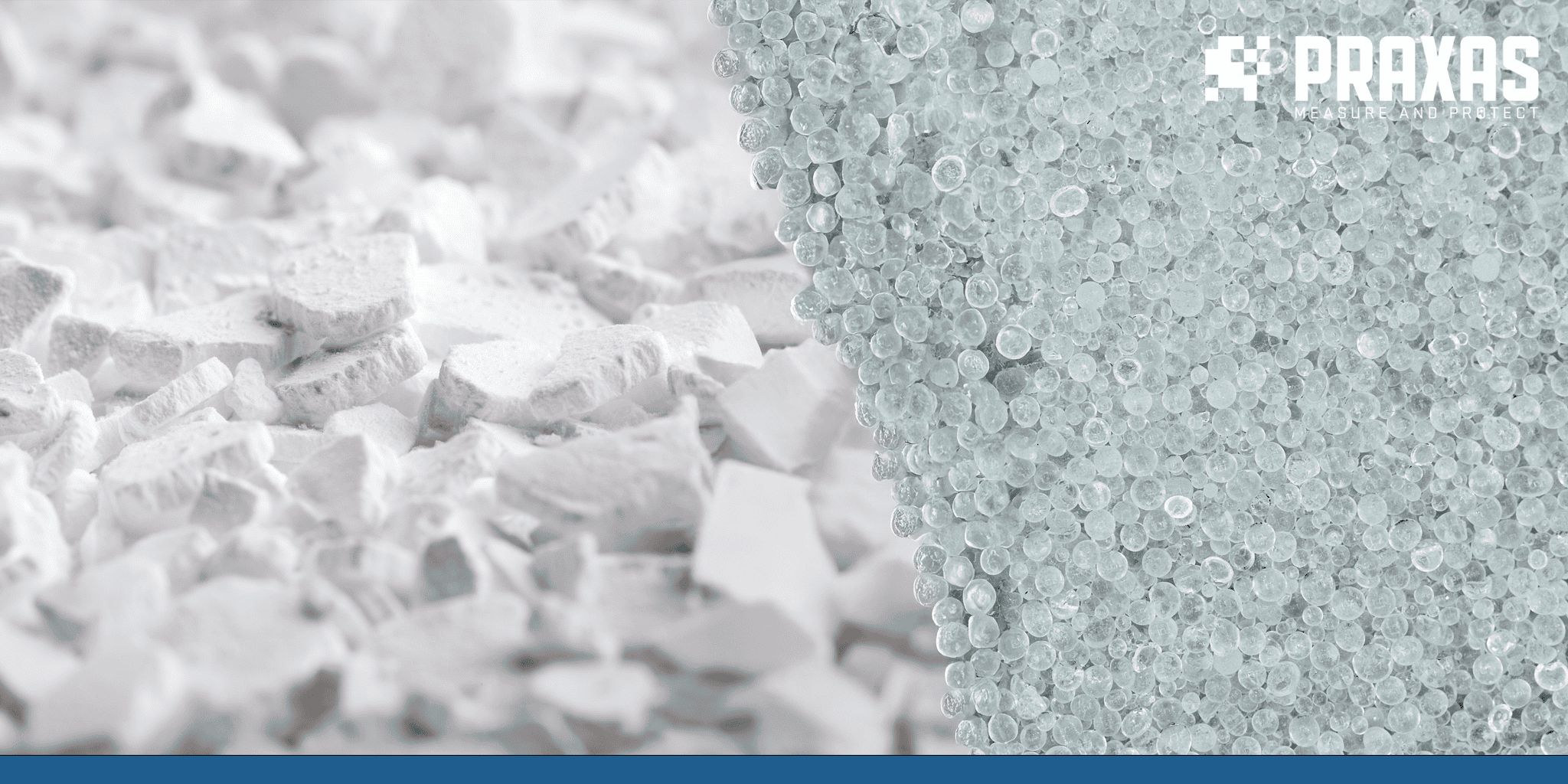
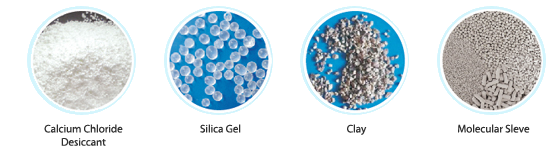
Calcium chloride is a salt. It pulls in water fast and turns into a brine. The term for this is deliquescent. It can soak up several times its weight in water. That makes it a great choice for high moisture loads.
Silica gel is a porous form of silica. It adsorbs water on its surface. It stays solid as it works. It usually holds about a third of its weight in water. You can dry it out with heat and use it again.
In short, calcium chloride vs silica gel comes down to two styles. One that drinks water like a sponge and liquefies. One that traps water on its surface and can be baked dry.

Calcium Chloride vs Silica Gel: Key Differences That Matter
Here is the practical view I give teams and clients:
- Moisture capacity: Calcium chloride can reach 200 to 300 percent by weight. Silica gel is often 20 to 40 percent.
- Speed: Calcium chloride acts fast at high humidity. Silica gel is steady and predictable.
- Mess risk: Calcium chloride makes brine if not contained. Silica gel stays dry unless saturated.
- Reuse: Calcium chloride is one-and-done. Silica gel can be recharged many times.
- Temperature range: Both work well near room temp. Silica gel keeps decent capacity in the cold. Calcium chloride can get sluggish below freezing.
- Corrosion: Calcium chloride brine can corrode metals. Silica gel is gentler on metals and parts.
- Food and pharma: Silica gel is common in small packs for pills and snacks. Some packs use safe indicator beads. Calcium chloride is used more for bulk and rooms.
When people ask about calcium chloride vs silica gel, I ask about the load, the space, and the risk. That tells you which fits.
Pros and Cons of Calcium Chloride
Pros:
- High capacity at high humidity: Great for damp rooms and containers.
- Fast action: Cuts humidity spikes quickly.
- Low cost per gram of water captured: Good for big jobs.
Cons:
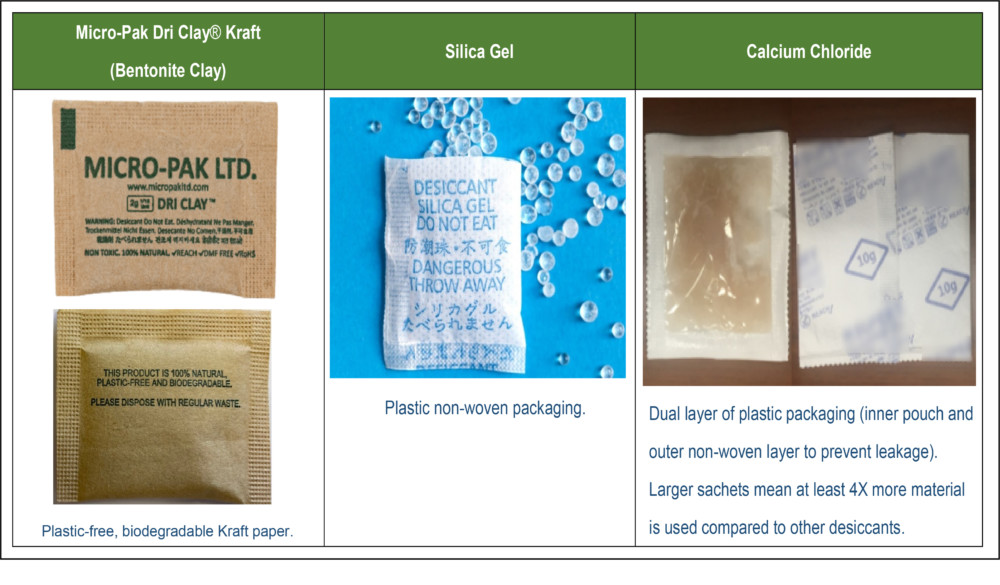
- Liquid brine: Needs leak-proof trays or hanging bags.
- Single use: You toss it after it turns to liquid.
- Corrosion risk: Keep it away from bare metals and tools.
- Can clump or harden if not sealed well before use.
From my warehouse tests, calcium chloride kept a 20-foot container dry during a monsoon week. Silica gel alone could not handle that much water. The brine was heavy, though, so we used strong, sealed pouches.
Pros and Cons of Silica Gel
Pros:
- Clean and dry: No liquid mess when used right.
- Reusable: Bake it to recharge and save cost over time.
- Gentle on goods: Good for electronics, optics, and paper.
- Many formats: Packets, canisters, cartridges, and bulk.
Cons:
- Lower total capacity: May saturate in very damp spaces.
- Needs heat to recharge: Plan for safe reactivation.
- Indicator beads can be hazardous if cobalt based: Choose safer orange types.
In my camera cabinet, silica gel holds a steady low humidity without fuss. I recharge the packs monthly at 250 to 275°F. It is easy and tidy.

Which To Use Where: Real-World Scenarios
Here is how I pick between calcium chloride vs silica gel in daily work:
- Shipping containers and storage units: Calcium chloride. It handles big loads and condensation risk.
- Basements, garages, RVs, boats: Calcium chloride for wet seasons. Silica gel for small lockers or tool cases.
- Electronics, sensors, lenses, and optics: Silica gel. It protects without liquid risk.
- Pharma bottles and food packs: Silica gel mini packs. They are standard and safe when used as directed.
- Gun safes and musical instruments: Silica gel. It is stable and easy to recharge.
- Closet, wardrobe, and shoes: Either. Use calcium chloride hanging bags for damp closets. Use silica gel for shoes and bags.
- Museum and archives: Silica gel. It supports tighter humidity control.
If your space leaks air or has frequent door opens, go heavier. If it is sealed and small, silica gel shines.
Performance Deep Dive: Capacity, Speed, RH Control, and Temperature
Capacity:
- Calcium chloride can capture several times its weight. This makes it ideal for high humidity zones and long voyages.
- Silica gel hits roughly 20 to 40 percent by weight. It is enough for small spaces and sealed boxes.
Kinetics:
- Calcium chloride starts fast above 60 percent RH. It is great for peak shaving after doors open.
- Silica gel is steady over a wide RH range. It is predictable for maintenance level drying.
Humidity control:
- Neither is a true set-point controller, but both can stabilize a range.
- Silica gel can be conditioned to target a range. That helps with sensitive items.
Temperature:
- Silica gel keeps fair performance in cooler rooms. Calcium chloride drops off in sub-freezing air.
I have seen calcium chloride reduce container RH from 95 to below 60 percent in a day. Silica gel alone needed more time and more packs to reach the same drop.

Sizing and Using Desiccants: Simple Steps That Work
Use this simple flow to size calcium chloride vs silica gel:
- Measure the volume: Length × width × height. Convert to cubic feet or cubic meters.
- Check leakage: Tight boxes need less. Drafty rooms need more.
- Know your climate: Hot and humid needs higher capacity.
- Decide service interval: How long before recharging or change-out?
Rule-of-thumb guides:
- For sealed boxes, 1 desiccant unit per cubic foot is a start. Increase if the seal is poor or the temp swings a lot.
- For rooms and closets, start with 0.5 to 1 kg of calcium chloride per small room per month in humid seasons.
- For 20-foot containers, plan on 1 to 2 kg of calcium chloride per week of transit in tropical routes.
How to deploy:
- Place high, with drip-proof trays for calcium chloride. Keep it away from metal surfaces.
- For silica gel packs, spread them out for airflow. Do not block vents.
- Use indicators or humidity cards. Replace or recharge when they show saturation.
- Recharge silica gel at 250 to 275°F until dry. Let it cool in a sealed container.
Example:
- A 5 cubic foot camera case needs 5 units of silica gel to start. If you open it daily in summer, double that.

Safety, Handling, and Environmental Notes
Safety:
- Keep both out of reach of kids and pets. Do not eat.
- Calcium chloride brine can irritate skin and eyes. Wear gloves for change-out.
- Silica gel dust can irritate lungs. Avoid crushing beads.
Indicators:
- Some blue indicator beads use cobalt and are hazardous. Choose orange, non-cobalt indicators when possible.
Corrosion and spills:
- Keep calcium chloride away from bare steel and aluminum. Use sealed pouches with drip trays.
- If a spill occurs, dilute with water and mop. Rinse metals and dry well to prevent rust.
Disposal:
- Small amounts of spent silica gel can go in regular trash, per local rules.
- Calcium chloride brine can often go to drain with plenty of water, if allowed. Check local rules. Never pour near plants or soil.
Sustainability:
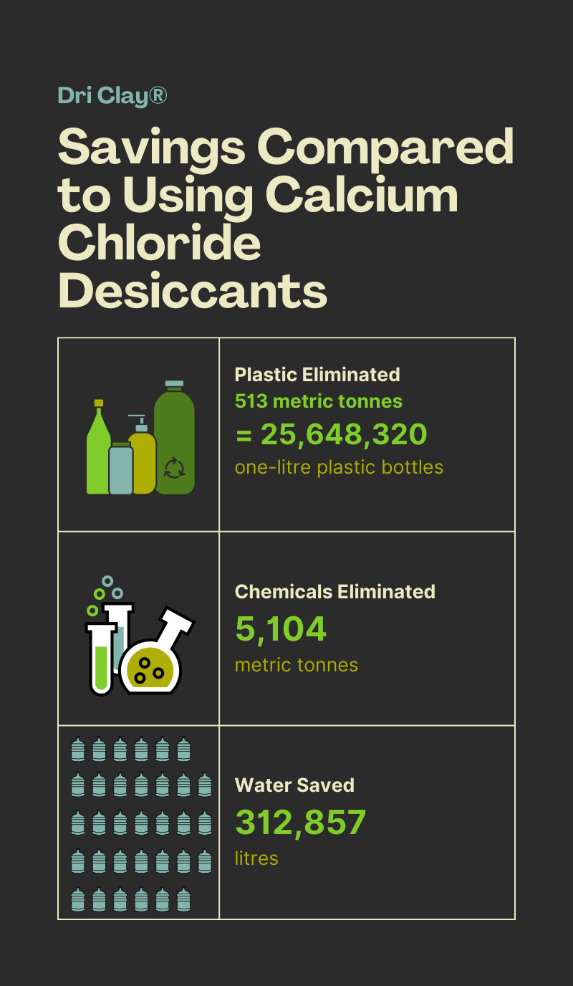
- Silica gel reusability cuts waste. Use reactivation cycles to reduce cost and trash.
- For heavy-duty jobs, fewer calcium chloride changes also reduce trips and fuel.
Cost Comparison and Total Cost of Ownership
Upfront cost:
- Calcium chloride is cheap per kilogram. But it is single use.
- Silica gel costs more upfront. But you can recharge many times.
Operating cost:
- For wet basements and containers, calcium chloride wins on capacity per dollar.
- For protected storage, silica gel wins on long-term cost.
Examples from my field work:
- A 20-foot container on a three-week tropical route: A few kilograms of calcium chloride is cheaper and safer than many silica gel packs.
- A camera cabinet for a year: A few silica gel canisters that you recharge monthly cost less than disposable refills.
So, calcium chloride vs silica gel is not only about price. It is about water load, risk, and how often you can service the space.
Frequently Asked Questions of calcium chloride vs silica gel
Is calcium chloride better than silica gel for very damp areas?
Yes, when humidity is high, calcium chloride handles more water. It is the stronger choice for rooms, basements, and containers.
Can I reuse silica gel? How many times?
Yes, you can dry it in an oven and reuse it many times. Replace it if beads crack or crumble.
Will calcium chloride damage metal tools?
It can if brine contacts bare metal. Use sealed hanging bags and keep trays away from tools.
What is safer around pets and kids?
Both should be kept away from kids and pets. Avoid cobalt-based indicator silica gel and prevent calcium chloride spills.
How do I know when to replace or recharge?
Use humidity cards or color-changing beads. Replace or recharge when color shows saturation or RH creeps up.
Is silica gel food safe?
Food-grade silica gel is used in many food packs. Do not eat it. Follow label guidance.
Can I mix both in one space?
Yes, and it can help. Calcium chloride handles peaks while silica gel smooths the baseline.
Wrap-Up: Make the Smart Pick for Your Space
If the job is heavy moisture control, choose calcium chloride. If you need clean, gentle, and reusable drying, choose silica gel. The calcium chloride vs silica gel choice depends on load, space, and service plans. Start small, measure results, and adjust. Try a pilot in one room or container this week. Track humidity, refine your setup, and share what you learn. Want more tips like this? Subscribe, ask a question, or leave a comment with your use case.