

Common types of moisture absorbers include silica gel, calcium chloride, clay, charcoal, and zeolites.
If damp air is warping wood, fogging windows, or feeding mold, you’re in the right place. I’ve tested many types of moisture absorbers in homes, closets, safes, RVs, and gear bags. This guide explains the types of moisture absorbers in plain language, so you can choose fast and avoid mess or waste. You’ll see what works, why it works, and how to use each option like a pro.
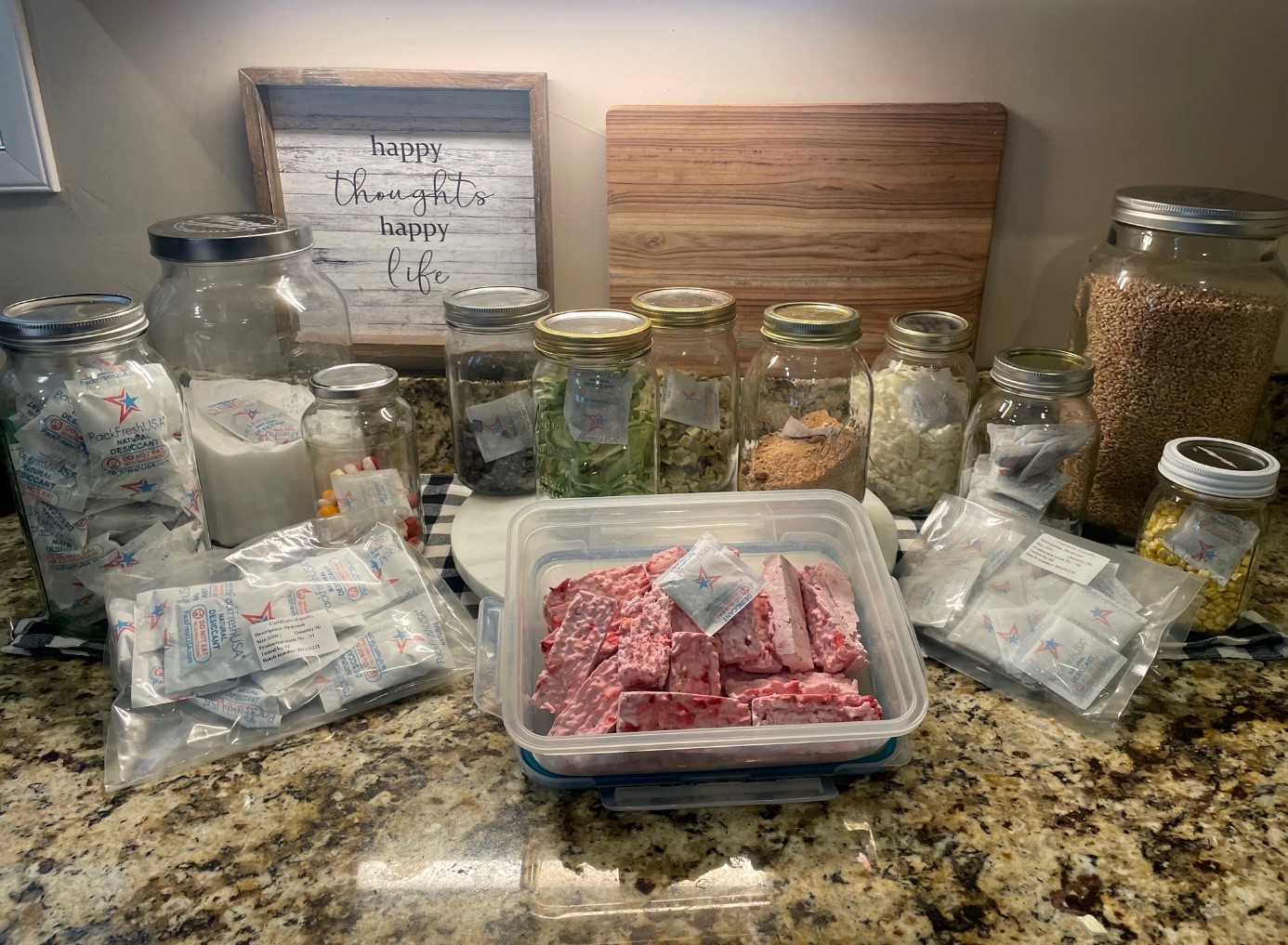
What Are Moisture Absorbers and How They Work
Moisture absorbers pull water from the air. Some soak it up as a liquid. Others hold it on their surface. This helps keep relative humidity in a safe range.
Two actions are at play. Absorption means the material takes water into itself. Adsorption means water sticks to the surface. Many types of moisture absorbers use one or both actions.
Think about a sponge for air. When the material is “full,” it is saturated. Some can be dried and used again. Some must be thrown away. A small hygrometer helps you track results. Aim for 30 to 50 percent relative humidity for most rooms and storage.
)
The Main Types of Moisture Absorbers
Silica gel (reusable desiccant)
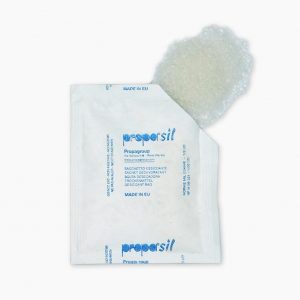
Silica gel is the classic blue or orange bead you see in small packets. It holds a lot of water for its size. It works fast, even in cool spaces. You can dry it in an oven and use it many times.
Best for: closets, camera bags, safes, toolboxes, shoe boxes, and sealed bins.
Pros: reusable, clean, no liquid mess.
Cons: needs heat to recharge, can dry air more than you want in tiny spaces.
Calcium chloride (deliquescent crystals)
Calcium chloride pulls water so well it turns into a salty liquid brine. It shines in damp rooms. It can absorb up to several times its weight in water.
Best for: bathrooms, basements, laundry rooms, RVs, boats, and storage units.
Pros: very strong pull, great for high humidity.
Cons: creates liquid, can leak, needs careful handling and disposal.
Clay desiccant (bentonite)
Clay is a natural, low-cost option. It works best in mild humidity. It is common in shipping and storage.
Best for: long-term storage boxes, dry climates, and large, sealed totes.
Pros: affordable, stable, simple to use.
Cons: lower capacity than silica or calcium chloride.
Molecular sieve (zeolite)
Molecular sieves are high-tech beads. They pull water even when air is dry or warm. They hold water very tightly.
Best for: precision needs, electronics, lab gear, and very low humidity targets.
Pros: powerful at low humidity, works at higher temperatures.
Cons: higher cost, usually overkill for everyday home use.
Activated charcoal (carbon)
Charcoal helps with odor and some moisture. It is not a heavy lifter for water. Pair it with silica gel for smell plus dryness.
Best for: closets, gym bags, cars, and shoe racks.
Pros: reduces odor, safe, simple.
Cons: modest moisture capacity.
Indicating desiccants (color-change)
These are silica or molecular sieve beads that change color when wet. Modern versions avoid cobalt. They show you when to recharge.
Pros: easy to check, no guesswork.
Cons: slightly higher price.
Refillable tubs and hanging bags
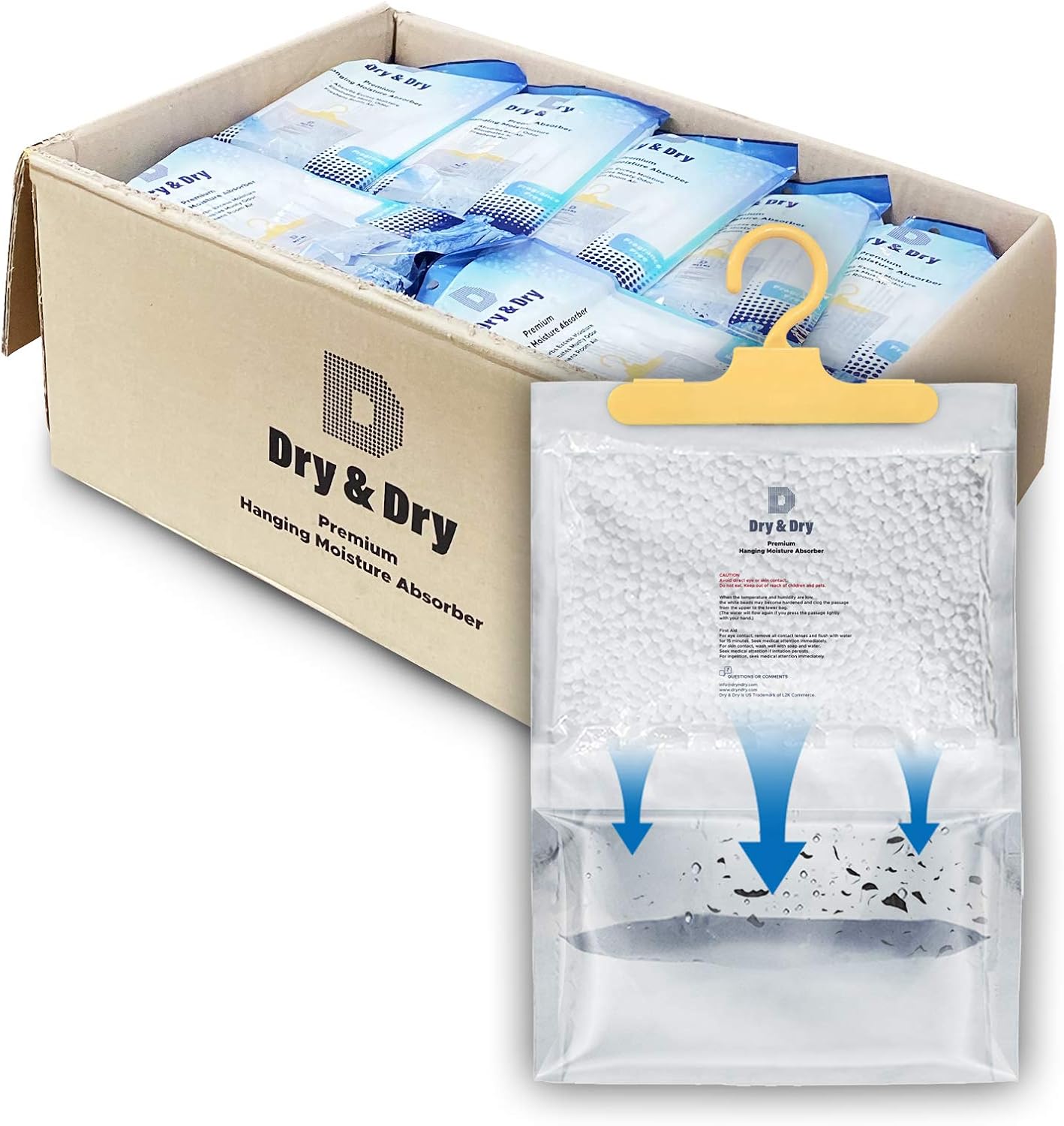
These use calcium chloride pellets or tabs that drip into a lower cup. They are popular in bathrooms and closets.
Pros: great in damp rooms, low effort.
Cons: must watch for overflow, replace when full.
Renewable silica gel units (plug-in recharge)
These are sealed boxes of silica you can plug in to dry. No oven needed. They are tidy and reusable.
Pros: clean, reusable, safe for closets and safes.
Cons: higher upfront cost, smaller capacity per unit.
There are many types of moisture absorbers, but the best one depends on your space, the humidity level, and how much upkeep you want.
Choosing the Right Moisture Absorber by Use Case
Here is a simple match-up to pick fast.
- Closets and wardrobes: hanging calcium chloride bags for damp homes; silica gel for mild humidity.
- Shoes and gym bags: silica gel or charcoal sachets. Swap or recharge monthly.
- Camera gear and lenses: silica gel with an indicating card. Keep in a sealed case.
- Safes and gun cabinets: renewable silica gel units or indicating packs.
- Bathrooms and laundry rooms: calcium chloride tubs. Add a tray under them.
- Basements and crawl spaces: large calcium chloride tubs for passive control. For very wet spaces, use a dehumidifier.
- Pantries and spice cabinets: small silica gel packs. Keep containers sealed.
- RVs, boats, and seasonal cabins: calcium chloride in main areas; silica gel in bins and lockers.
- Garages and tool chests: silica gel in drawers; calcium chloride for the room if damp.
- Shipping boxes and storage totes: clay or silica gel sized to volume.
Tip from the field: I once placed a calcium chloride cup under a sink. It worked fast but overflowed during a storm week. I now set any liquid style unit in a shallow tray. That one step saves a lot of cleanup.
If you compare types of moisture absorbers across rooms, think about airflow, leaks, and how often you can check them.
Safety, Disposal, and Environmental Impact
Safety first. Keep all packets and tubs away from kids and pets. Calcium chloride brine is salty and can irritate skin or eyes. Silica gel is not food safe and can be a choking hazard.
Disposal basics vary by place. Many areas allow calcium chloride brine down a drain with plenty of water. Do not pour on plants or soil. Bag and bin used packs that do not leak. Check local rules for best practice.
On impact, reusable options shine. Silica gel can be recharged dozens of times. Clay is simple and low energy to make. Calcium chloride works great but creates waste brine. Choosing the right size reduces waste. Using sealed bins also means you need less desiccant.
Experts note that color-change beads should be cobalt-free. Most modern indicating types of moisture absorbers meet this safety goal.

DIY Moisture Absorbers That Work
You can make simple units at home. Here are safe options I have used.
- Rock salt in a mesh bag over a jar. It will drip brine, so use a tray.
- Baking soda in a shallow bowl for small cabinets. Stir weekly and replace monthly.
- Plain charcoal briquettes (no lighter fluid) in a breathable bag. Helps with odor and mild damp.
- Silica gel cat litter in a sock or pouch. Recharge on a sheet pan in the oven.
- Ice melt calcium chloride pellets in a hanging pouch over a container. Mind the brine.
Skip rice. It is weak and grows musty. When you pick DIY types of moisture absorbers, think about spill risk and where liquid could go.

Storage, Reactivation, and Maintenance Tips
Good habits make a big difference.
- Store spare packs in an airtight bin or jar.
- Use indicator cards to see when to recharge.
- Recharge silica gel at 250 to 300°F until dry. Let it cool in a sealed jar.
- Do not try to dry calcium chloride. It is single-use.
- Clean tubs and trays before refilling.
- Use a hygrometer. If readings climb above 60 percent, scale up.
I keep a small calendar note to check each spot monthly. With many types of moisture absorbers in a home, a simple routine keeps everything in line.

Cost, Capacity, and Lifespan at a Glance
You want results without waste. Here are practical rules of thumb.
- Silica gel: holds about 25 to 40 percent of its weight in water. Reusable many times. Great long-term value.
- Calcium chloride: can hold up to several times its weight. Best for very damp spaces. Ongoing refill cost.
- Clay: about 20 to 25 percent by weight. Low cost, simple, good for storage.
- Molecular sieve: strong at low humidity. Higher price, niche uses.
- Charcoal: low moisture capacity. Best as an odor helper.
A smart plan often blends types of moisture absorbers. Use calcium chloride to knock down heavy damp. Use silica gel to hold a stable level in containers and closets.

Signs You Need a Moisture Absorber
Watch for these red flags.
- Musty smell in closets or rooms.
- Condensation on windows, mirrors, or pipes.
- Rust on tools, hinges, or firearms.
- Warped wood, sticky drawers, or cupped floors.
- Mold on walls, shoes, or cardboard.
- Clumping salt or sugar in the kitchen.
- Papers that feel soft or wavy.
- Hygrometer readings above 60 percent.
If you spot these, compare types of moisture absorbers and act now. Small steps today stop big repairs later.
Frequently Asked Questions of types of moisture absorbers
What’s the best all-around moisture absorber?
Silica gel is the most versatile for everyday use. It is clean, reusable, and works in many small spaces.
Are moisture absorbers the same as dehumidifiers?
No. Absorbers are passive and use packets or tubs. Dehumidifiers are electric and move air across coils or desiccant wheels.
How many packets do I need in a storage bin?
A rough rule is one 10-gram silica pack per 1 to 2 gallons of space. Check a hygrometer or indicator card and adjust.
Can I recharge silica gel in a microwave?
Use an oven unless the package says microwave-safe. Some beads can spark or melt; follow the label.
Is calcium chloride safe around pets?
Keep it out of reach. The brine can irritate skin and is unsafe to ingest. Use trays and secure the container.
Do moisture absorbers stop mold?
They help by lowering humidity. For active mold, clean and fix leaks first, then maintain 30 to 50 percent RH.
Are indicating beads with color change safe?
Modern options avoid cobalt. Check the label for cobalt-free formulas and follow use and disposal rules.
Conclusion
You now know the main types of moisture absorbers, when to use each, and how to avoid mess or waste. Pick based on humidity level, space size, and how much upkeep you want. Blend solutions for the best results.
Take one space today and fix it. Add the right absorber, place a tray if needed, and check a hygrometer in a week. Want more guides like this? Subscribe, share your questions, or leave a comment on what worked for you.