

Yes, moisture absorbers work in cold temperatures, but they act slower and need smart placement.
If you store gear in a garage, boat, cabin, or RV, you have likely wondered, do moisture absorbers work in cold temperatures. I have tested them in icy garages, damp basements, and winterized vehicles. In this guide, I share clear answers, real results, and simple steps. You will learn what works, what fails, and how to keep your space dry when the thermometer drops.
How Moisture Absorbers Actually Work
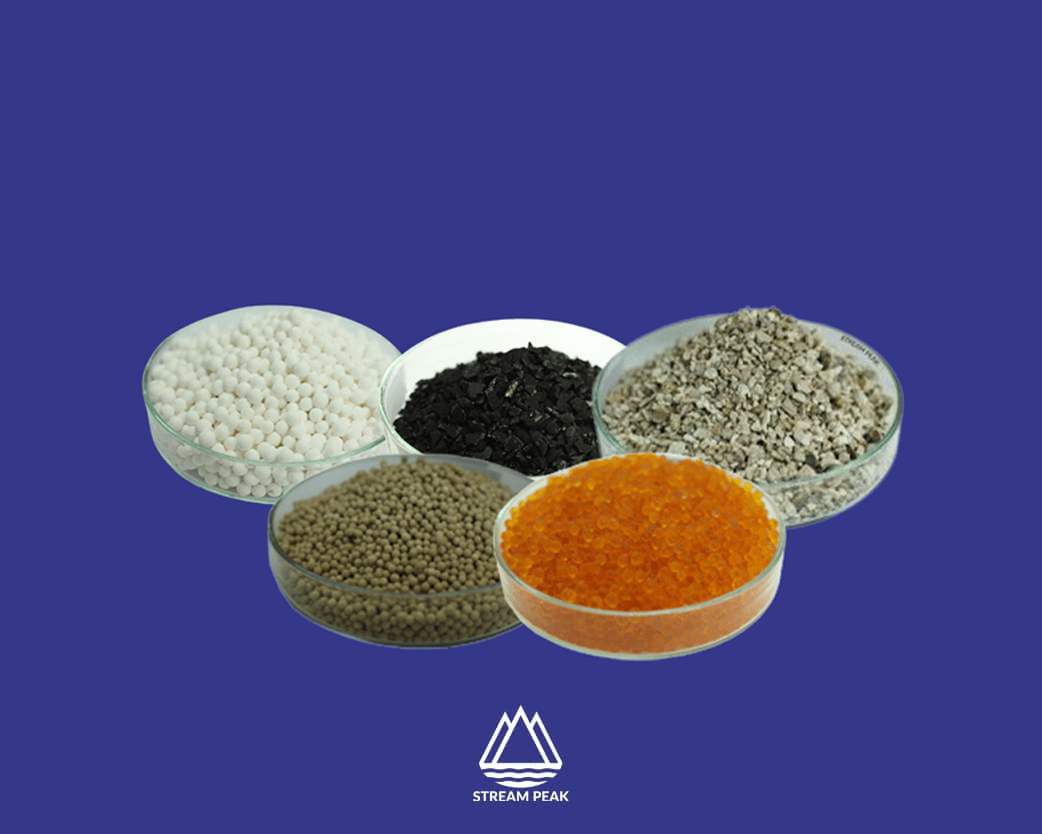
Moisture absorbers pull water from the air and trap it in a solid or liquid form. The most common types are silica gel, calcium chloride, and mineral or charcoal blends. Each material follows a different path to lock in moisture.
- Silica gel uses tiny pores to adsorb water onto its surface.
- Calcium chloride pulls water and turns into brine as it dissolves.
- Clay and charcoal absorb slower but add odor control.
Cold air holds less total moisture. But cold rooms still get damp, especially when humid air meets cold surfaces and forms condensation. In cold spaces, moisture moves slower, which slows the absorber’s rate. Still, if the relative humidity is high, these products keep working. Performance depends on temperature, relative humidity, the absorber type, and airflow.
Do Moisture Absorbers Work In Cold Temperatures?
Short answer: yes. Many readers ask, do moisture absorbers work in cold temperatures. They do, but the pace changes.
- Near freezing, calcium chloride keeps working because its brine has a very low freezing point. It may just pool slower.
- Silica gel can hold more water at cooler temperatures at the same relative humidity. It may actually gain capacity, though it fills more slowly.
- In very cold spaces, air is dry by nature. Your absorber may not collect much because there is less moisture to grab.
So, do moisture absorbers work in cold temperatures if your space is unheated and cramped. Yes, but use enough units, allow air circulation, and give them time. I have kept a winter garage rust-free with two calcium chloride tubs and a few silica packs near tools. It took patience, but it worked.

Comparing Types For Cold Weather
Silica gel packs
- Best for small, sealed spaces like bins, closets, and gun safes.
- Works in cold. At the same relative humidity, capacity can improve in cooler air.
- Needs recharging in a warm oven or with a plug-in unit when saturated.
Calcium chloride tubs or bags
- Best for rooms, basements, and garages.
- Works very well in cold since it turns moisture into liquid brine.
- Replace or empty when the container fills. Keep upright and away from metal.
Activated charcoal or clay
- Good for odors and mild dampness.
- Works in cold but slower and with lower capacity.
- Use for shoes, lockers, and small storage areas.
Do moisture absorbers work in cold temperatures across all types. Yes, but calcium chloride shines in larger, chilly rooms, while silica gel is ideal for sealed spaces.

Real-Life Scenarios And What To Expect
I have used these in winter garages, RVs, and cabins without heat. Here is what worked.
- Garage with tools and bikes: Two calcium chloride tubs near outside walls stopped rust spots. Silica gel packs inside tool chests kept drawers dry.
- Winterized car: One hanging calcium chloride bag in the cabin cut window fog. Silica gel in the trunk stopped musty smells.
- Basement storage room: A larger tub near the coldest corner kept boxes dry. I added a fan on low to help airflow.
- Boat cabin under tarp: Multiple small tubs spread around outperformed one big tub. Condensation on windows dropped in a week.
Do moisture absorbers work in cold temperatures in these cases. Yes. Results were clear by the first week, better after two.

Tips For Using Moisture Absorbers In Cold Conditions
- Use enough capacity. Larger or multiple units work better than one small tub.
- Place units where air flows. Avoid tight corners with no movement.
- Elevate off the floor. Cold floors trap cold air and slow movement.
- Target the coldest surfaces. Set near exterior walls, windows, and doors.
- Combine types. Calcium chloride for the room, silica gel inside containers.
- Check often. Cold slows activity, so allow extra time before judging results.
If you still wonder, do moisture absorbers work in cold temperatures, try this combo approach. It boosts coverage and speed.
Signs It’s Working And When To Switch Methods
You can tell it is working when you see liquid in tubs, lighter odors, and drier windows. Silica packs feel heavier or change color if they have indicators. Fog on glass should drop over several days.
Consider switching methods if:
- Relative humidity stays above 60 percent after two weeks.
- You see ongoing condensation on walls or pipes.
- Rust, mold, or musty smells persist.
Then add more capacity, improve airflow, or use a plug-in dehumidifier on a low setting. Do moisture absorbers work in cold temperatures alone in very damp rooms. Sometimes not. Pair them with ventilation for best results.

Mistakes To Avoid
- Using one tiny pack for a big room. It will not keep up.
- Blocking airflow behind furniture or boxes.
- Placing calcium chloride over bare metal. The brine can corrode surfaces.
- Forgetting to check fill levels. Overflow makes a mess.
- Skipping ventilation. Even brief daily air exchanges help a lot.
People often ask, do moisture absorbers work in cold temperatures if you ignore airflow. They still work, but slower and less evenly.
Cost, Capacity, And Placement Guide
- Small silica packs: Great for bins and drawers. Recharge to save money.
- Medium tubs of calcium chloride: Good for closets and bathrooms.
- Large tubs or multiple bags: Best for garages, basements, and sheds.
Simple placement rules:
- One medium tub per 100 to 150 square feet as a start.
- Add more for very damp rooms or if temperatures hover near freezing.
- Keep units two to three feet off the ground when possible.
Do moisture absorbers work in cold temperatures if you size them right. Yes, sizing is half the battle.
Frequently Asked Questions of do moisture absorbers work in cold temperatures
Do moisture absorbers work in cold temperatures in a car?
Yes, they do. Use a hanging calcium chloride bag in the cabin and silica gel in the trunk for best results.
Do moisture absorbers work in cold temperatures below freezing?
Yes, but they act slower. Calcium chloride still forms brine, while silica gel keeps adsorbing, just at a slower pace.
Do moisture absorbers work in cold temperatures for mold control?
They help by lowering humidity. For active mold, clean and remove sources first, then use absorbers to maintain drier air.
How long do moisture absorbers take to work in cold rooms?
Expect visible results in three to seven days. Full impact can take two weeks in very cold, damp spaces.
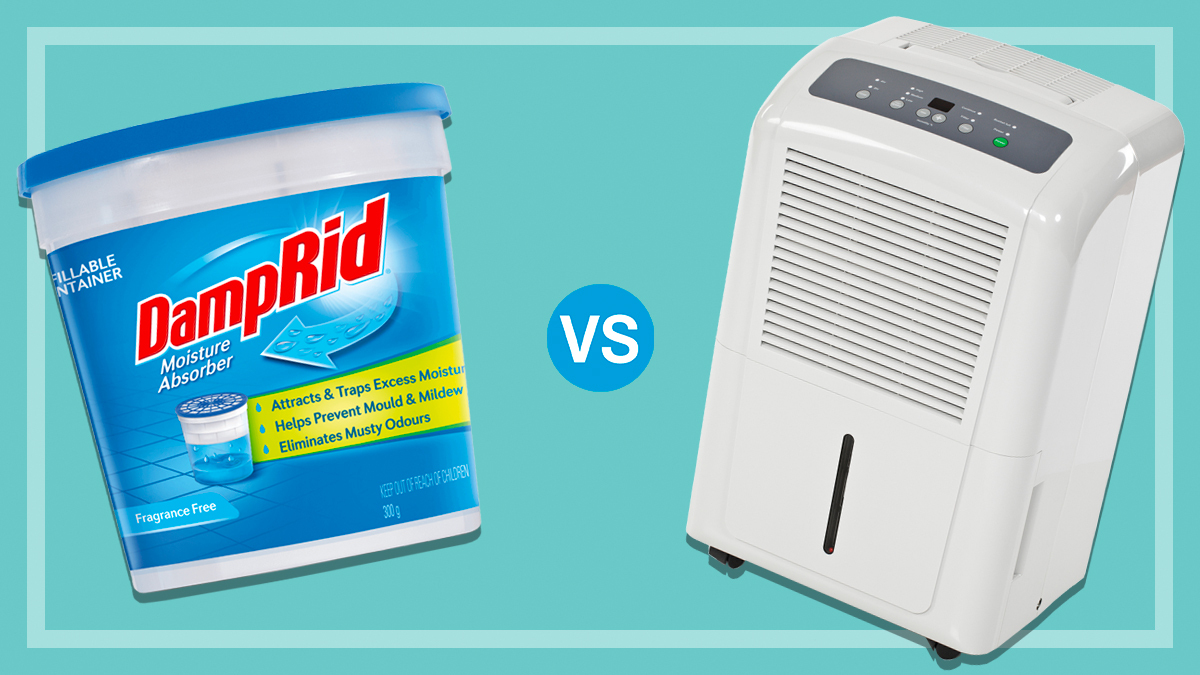
Do moisture absorbers work in cold temperatures better than dehumidifiers?
In small or sealed spots, yes. In big rooms with heavy moisture, a small dehumidifier plus absorbers often works best.
Can I reuse silica gel in winter?
Yes. Recharge packs in a warm oven or with a plug-in recharger. Rotate sets so you always have dry packs ready.
Is calcium chloride safe around pets and metal tools?
Keep it sealed and out of reach. Avoid placing it above metal tools to prevent corrosion from accidental drips.
Conclusion
Moisture absorbers do work in cold temperatures. They simply need the right type, enough capacity, and smart placement. Use calcium chloride for rooms and garages, and silica gel for sealed bins, trunks, and safes. Add airflow, watch fill levels, and be patient.
Start today. Pick one cold trouble spot and set up the right absorber. Track changes for a week, then adjust. Want more tips like this? Subscribe for practical, tested fixes and share your results in the comments.