

A dehumidifier is an electric machine; a moisture absorber is a passive chemical.
Curious about the difference between dehumidifier and moisture absorber? I’ve tested both in closets, basements, and small studio spaces. In this guide, I’ll break down the real difference between dehumidifier and moisture absorber, explain when to use each, and share tips that save money and stress. If you want clear advice on the difference between dehumidifier and moisture absorber, you’re in the right place.
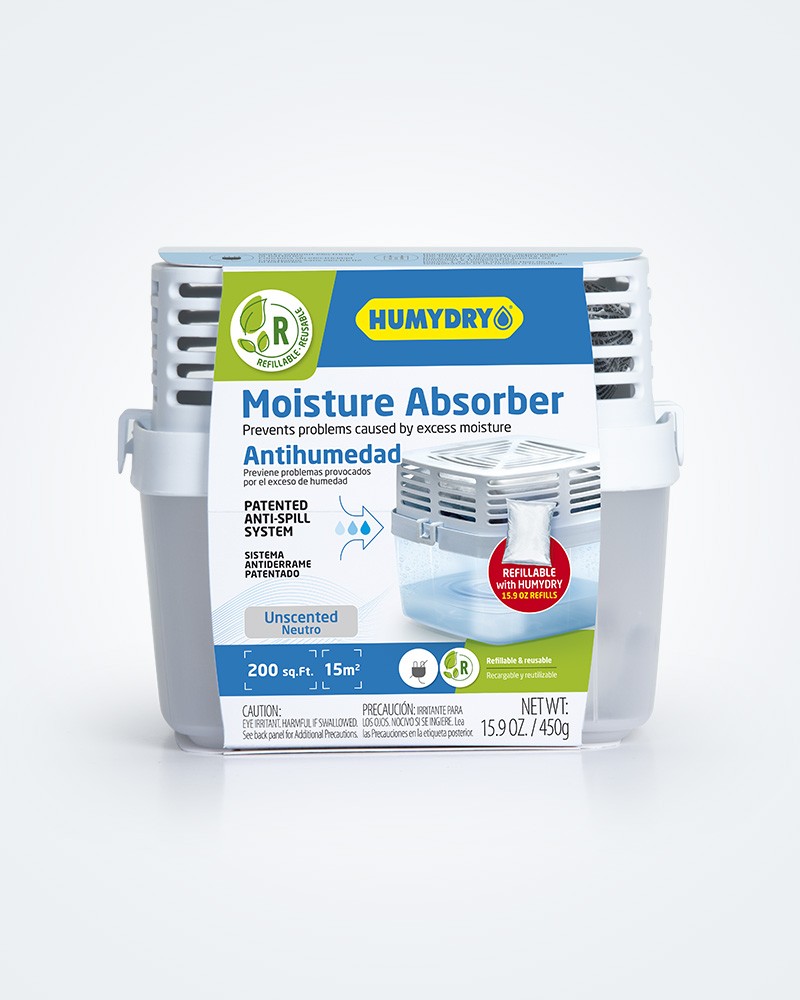
What Is a Dehumidifier?
A dehumidifier is a powered device that pulls water from the air. Most home models use a cold coil to condense moisture. Some use a desiccant wheel with heat to dry the air. Both collect water in a tank or drain it out.
Good dehumidifiers have a humidistat. You set a target, like 45% relative humidity. The unit turns on and off to hold that level. Many have a hose port for continuous drainage.
I use a 35-pint unit in a damp basement. It keeps humidity stable. It also stops musty smells and sticky air. The air feels lighter and the walls stay dry.
Pros:
- Fast moisture removal in large rooms
- Exact control with a humidistat
- Works year-round with the right type
Cons:
- Uses electricity and makes noise
- Needs cleaning and tank emptying
- Higher upfront cost
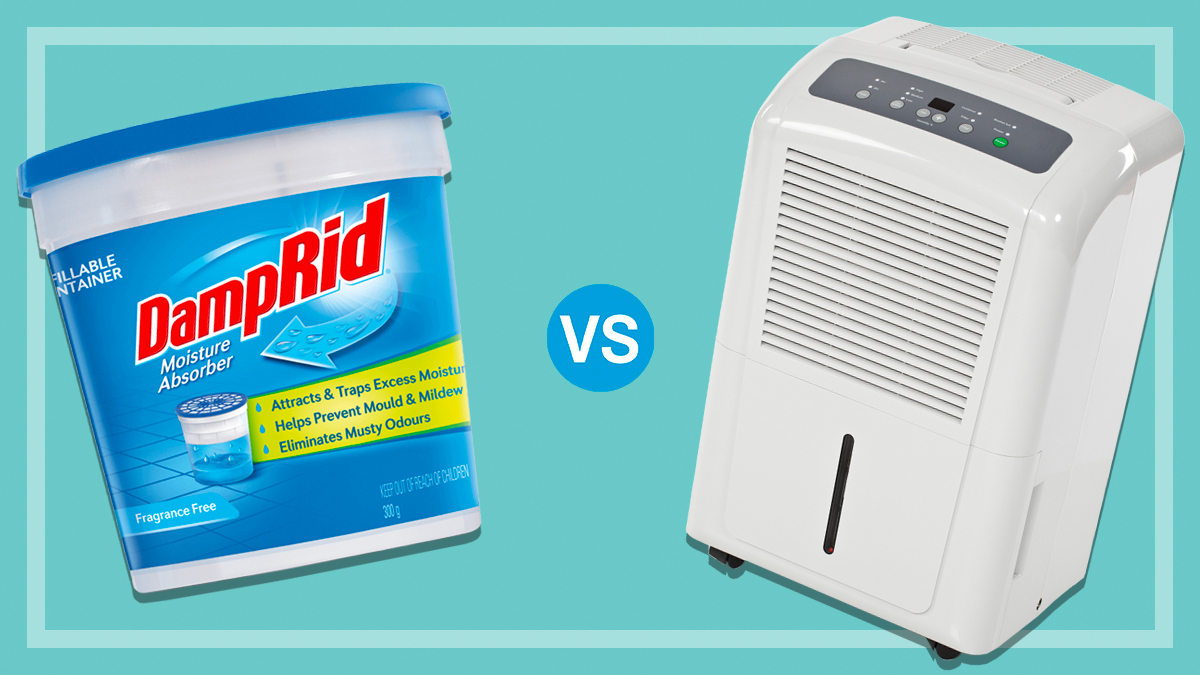
What Is a Moisture Absorber?
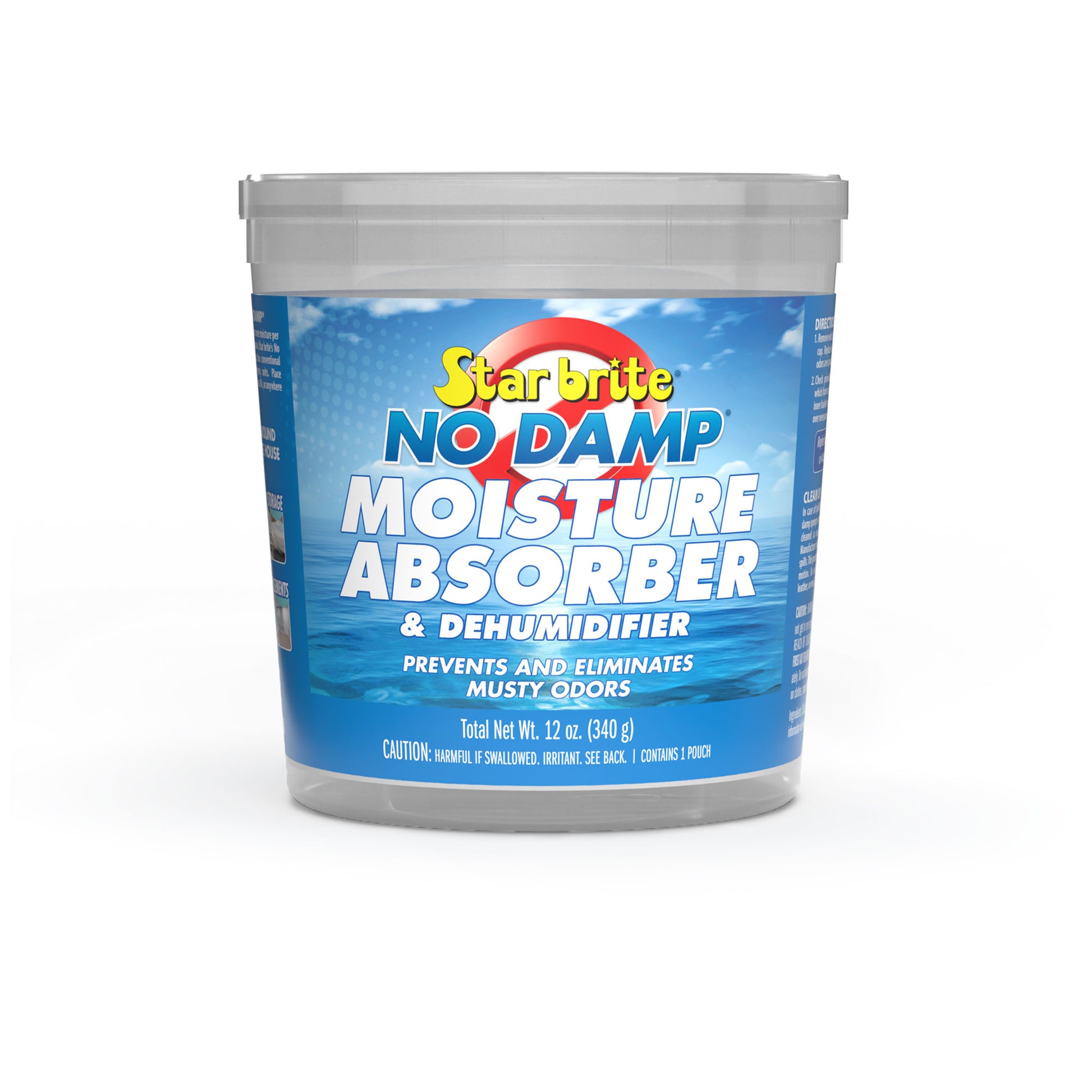
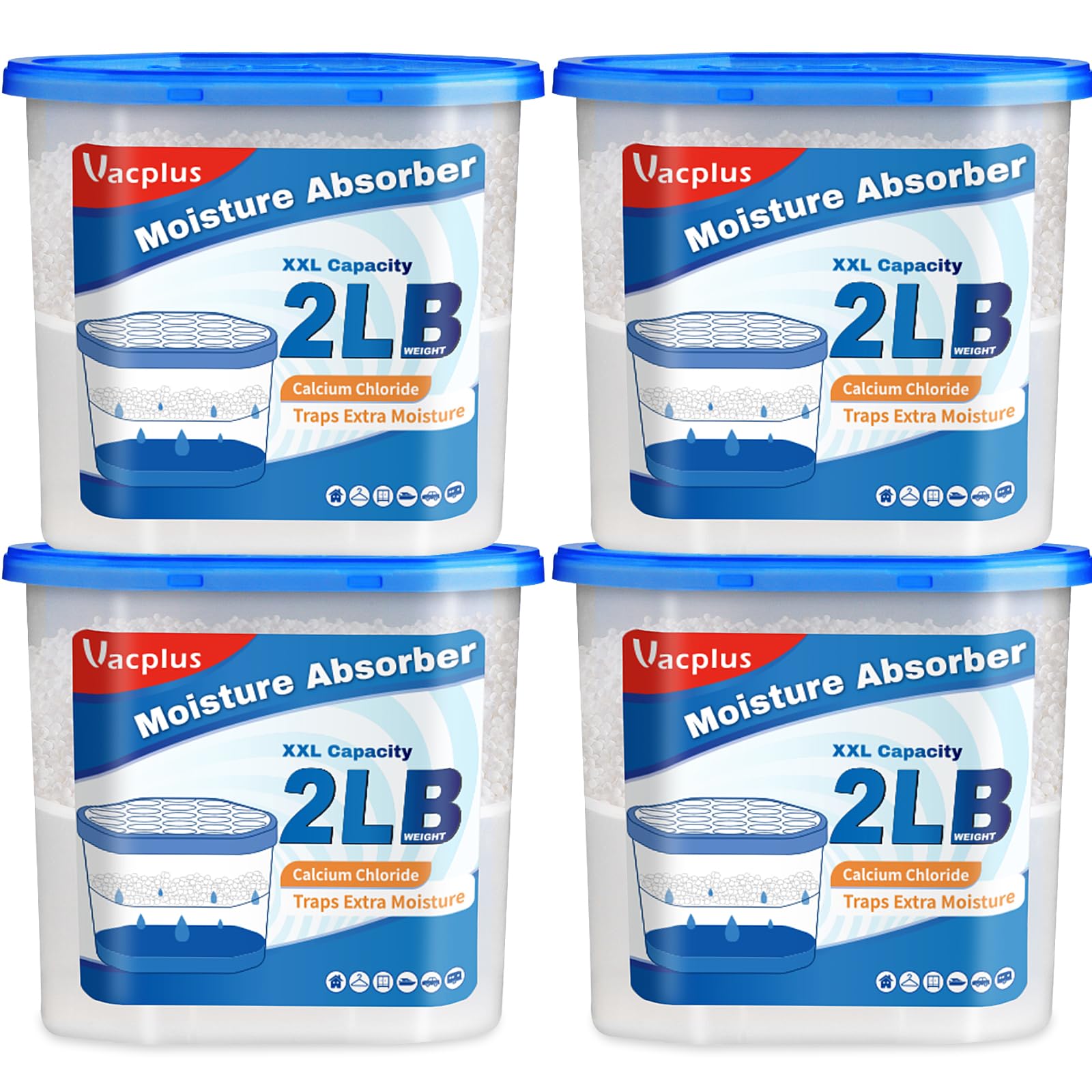
A moisture absorber is a passive product. It uses salts or gels to soak up water from air. Common types include calcium chloride, silica gel, and clay. You place a tub or pouch and let it work.
These products do not need power. They are silent and cheap to start. They shine in tight spots like closets and storage bins. You swap or refill them when full.
I keep tubs in a shoe closet and my RV pantry. They catch small moisture spikes fast. They also help with odor control.
Pros:
- No power, silent, simple
- Low initial cost
- Good for small, closed spaces
Cons:
- Slow and limited capacity
- No humidity control or display
- Ongoing refills and waste
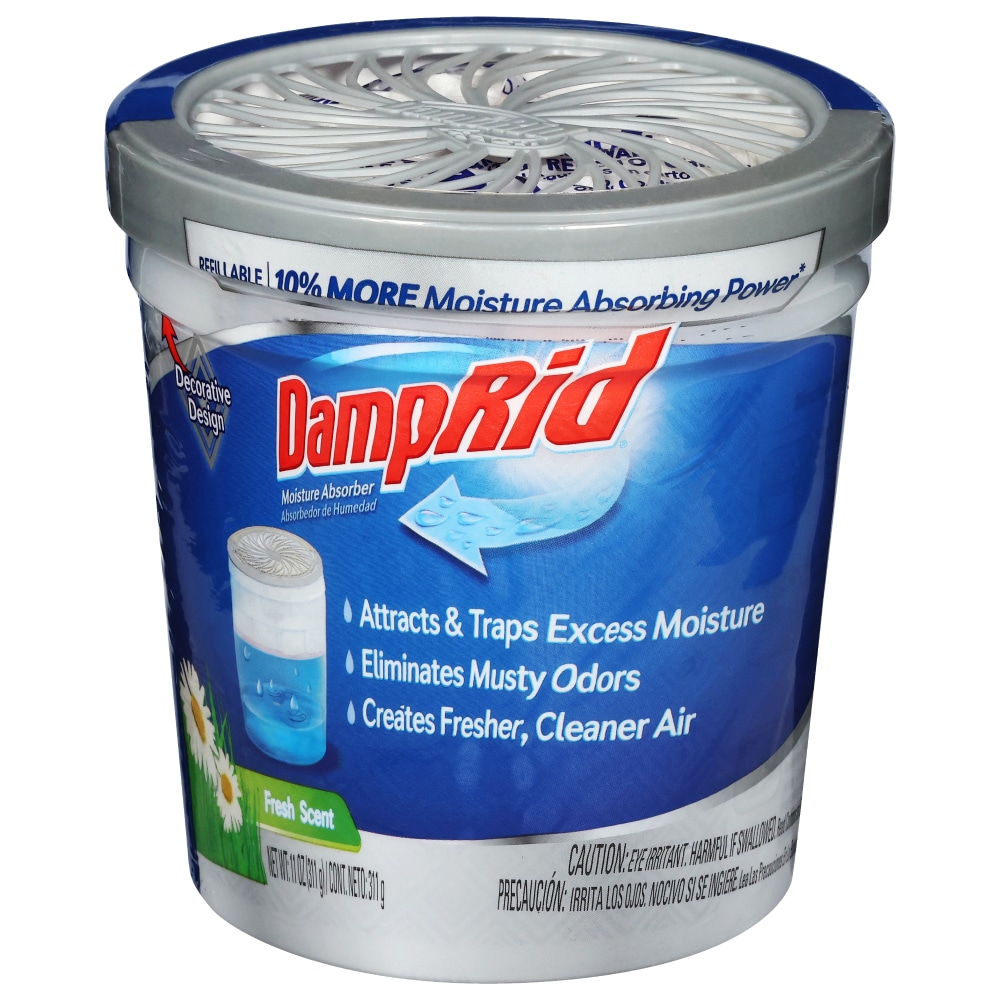
The Core Difference Between Dehumidifier and Moisture Absorber
The difference between dehumidifier and moisture absorber comes down to method and scale. A dehumidifier moves air and removes a lot of water per day. A moisture absorber draws water slowly and suits small spaces.
The difference between dehumidifier and moisture absorber also shows in control. Dehumidifiers keep a set humidity with a built-in sensor. Absorbers cannot. They reduce moisture, but you cannot dial in a number.
From cost view, the difference between dehumidifier and moisture absorber is about where you pay. Dehumidifiers cost more to buy and run, but they can protect a whole room. Absorbers are cheap at first, but the refill cost adds up over time.
The difference between dehumidifier and moisture absorber is clear if you battle mold or musty smells at scale. For whole rooms or basements, choose a dehumidifier. For drawers, cabinets, and containers, choose an absorber.

When to Use Each
Use a dehumidifier when:
- The room smells musty or feels clammy
- You see condensation on windows or pipes
- The space is over 400–600 square feet
- You want to set and hold 40–50% humidity
Use a moisture absorber when:
- You need help in a closet, drawer, or safe
- You store gear in bins, RVs, or boats
- You need silence and no power outlet
- You want a low-cost spot fix
A quick story. I tried moisture absorbers in a 700-square-foot basement. They filled up fast and did little. Switching to a 50-pint dehumidifier solved the problem in two days. That is the practical difference between dehumidifier and moisture absorber.
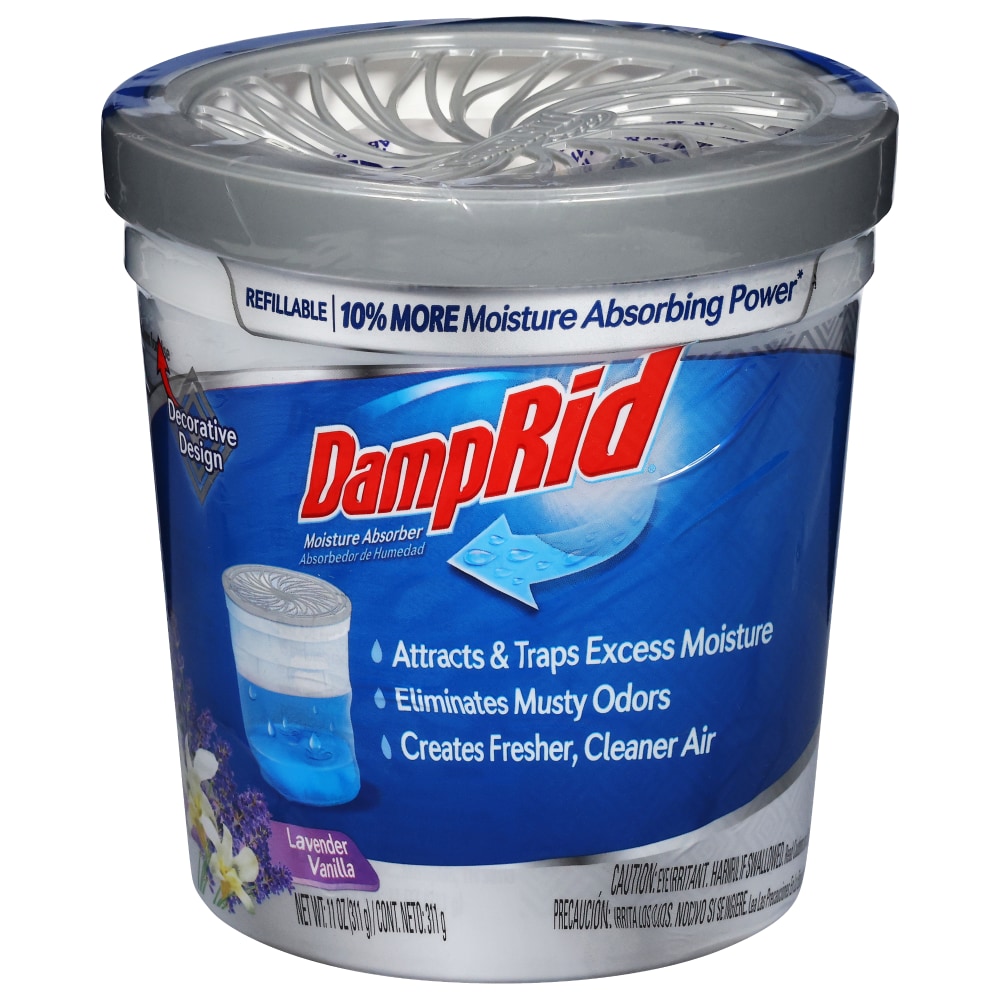
Cost, Energy, and Maintenance
Cost to buy:
- Dehumidifier: about $150–$400 for most homes
- Moisture absorber: about $5–$20 per tub or pack
Cost to run:
- Dehumidifier: uses power, often 200–700 watts when active
- Moisture absorber: no power, but refills every 1–3 months
Maintenance:
- Dehumidifier: clean filter monthly, empty tank, check drain hose
- Moisture absorber: dispose of spent liquid or crystals, replace packs
Over a year, the total cost depends on space size and humidity. In wet basements, a good dehumidifier is often cheaper and far more effective than constant absorber refills. In tiny spaces, absorbers win. This is a money angle on the difference between dehumidifier and moisture absorber.

Health, Mold Control, and Comfort
Most experts suggest keeping indoor humidity between 30% and 50%. This range helps curb mold, dust mites, and some allergens. It also protects wood, books, and electronics.
A dehumidifier can reach and hold that target. It helps in allergy seasons and rainy months. A moisture absorber lowers moisture but cannot maintain a steady level. That detail matters in the difference between dehumidifier and moisture absorber.
Noise and comfort matter too. Many dehumidifiers run at 40–60 decibels. Newer models are quieter and more efficient. Absorbers are silent. For a nursery or bedroom closet, that can be a key point.
Sizing, Placement, and Setup Tips
Sizing:
- For small rooms up to 400 square feet, a 20–30 pint unit can work
- For 400–800 square feet or damp basements, try 35–50 pints
- Very wet spaces may need larger or multiple units
Placement:
- Keep 6–12 inches of space around the dehumidifier
- Close windows and doors while it runs
- Use a drain hose for steady removal if possible
Setup:
- Set target humidity at 45% to start
- Clean the filter every month
- In cold spaces, choose a low-temp or desiccant model
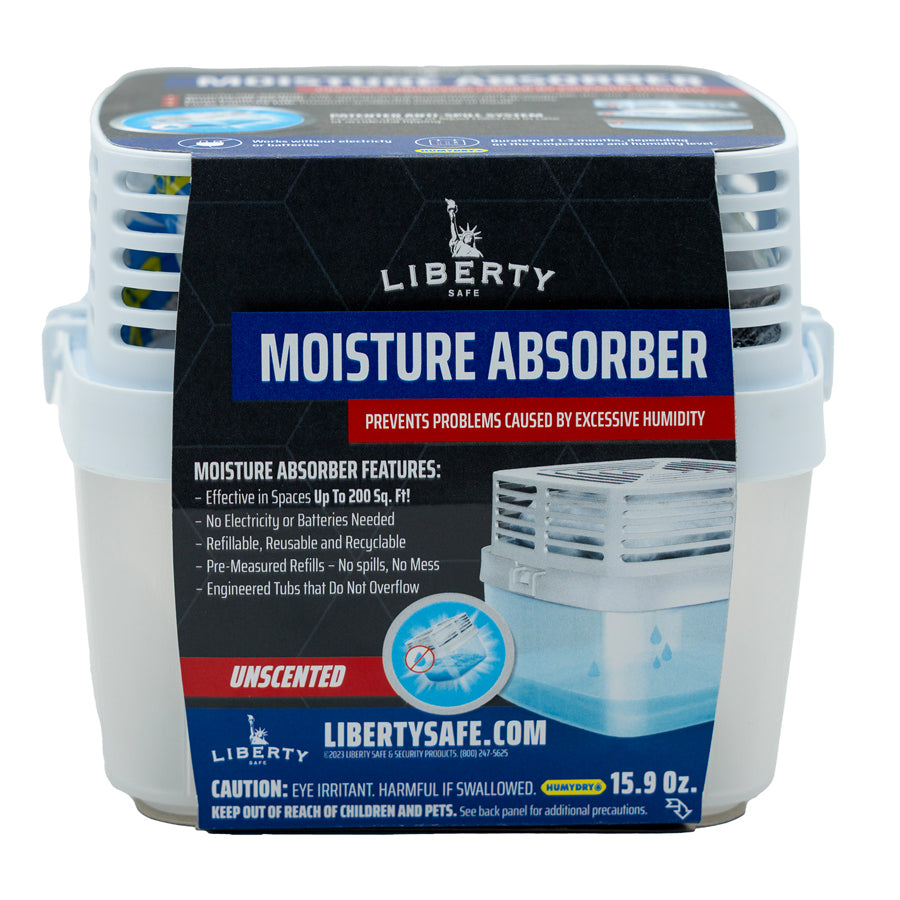
For absorbers, place them low and near the source of moisture. Replace when full. Use spill-proof types around pets and kids. This care makes the difference between dehumidifier and moisture absorber easier to see in daily use.
Eco, Safety, and Disposal Notes
Energy:
- Look for Energy Star dehumidifiers to save power
- Run on a timer if your humidity is stable
Safety:
- Keep moisture absorbers away from children and pets
- Calcium chloride can be corrosive; avoid spills on metal and fabric
- Do not pour spent liquid into soil or near plants
Disposal:
- Follow local rules for liquids and salts
- Rinse containers and recycle if allowed
- Store spare packs in a dry bin
Eco view is another lens on the difference between dehumidifier and moisture absorber. Dehumidifiers use energy but create less waste over time. Absorbers create ongoing plastic and chemical waste but draw no power.
Common Mistakes and Myths
Mistakes to avoid:
- Using absorbers for whole rooms; they are too small
- Leaving windows open while a dehumidifier runs
- Ignoring leaks; no device can beat a plumbing leak
Myths:
- Bowls of rice can dry a room. They cannot.
- Bigger is always better. Oversized dehumidifiers can short cycle.
- One absorber fixes a wet basement. It will not.
These points underscore the difference between dehumidifier and moisture absorber. Pick the right tool, then fix root causes like leaks and poor ventilation.
Buyer’s Checklist
For dehumidifiers:
- Coverage: match pint rating to room size and dampness
- Controls: humidistat, timer, and auto-restart are helpful
- Drainage: hose connection and built-in pump if needed
- Filter: easy to remove and clean
- Noise: check decibel ratings if for bedrooms
For moisture absorbers:
- Type: calcium chloride for strong pull, silica gel for small items
- Design: spill-proof tubs for closets, pouches for drawers
- Refills: check cost and how long they last
- Indicators: color-change beads help track use
- Odor control: charcoal blends help with musty smells
Use this checklist with the difference between dehumidifier and moisture absorber in mind. It keeps you focused on needs, not hype.
Real-Life Scenarios and Picks
Closets and wardrobes:
- Use a moisture absorber tub or pouch
- Swap monthly in humid seasons
Bathrooms without fans:
- Try a small dehumidifier after showers
- Use absorbers in cabinets to protect toiletries
Basements and crawl spaces:
- Choose a 35–70 pint dehumidifier with a drain
- Seal cracks and add a vapor barrier if needed
RVs, boats, and storage units:
- Mix both: a small dehumidifier when power is available
- Use absorbers when parked or stored
I once left camera gear in a sealed bin with only a moisture absorber. It kept lenses fog-free on a summer trip. In the same summer, my friend relied on absorbers for a cellar. They did little. A dehumidifier solved it in 48 hours. These stories highlight the difference between dehumidifier and moisture absorber in the real world.
Performance, Data, and What to Expect
Typical moisture removal:
- Dehumidifiers: many remove 20–50 pints per day in damp rooms
- Moisture absorbers: often a few ounces to a pint over many days
Time to impact:
- Dehumidifiers show results in hours
- Absorbers work over days or weeks
Target humidity:
- Aim for 40–50% in living spaces
- Aim for 45–55% for rooms with wood instruments and books
This performance view sums up the difference between dehumidifier and moisture absorber. One is active and fast. One is passive and slow.
Frequently Asked Questions of difference between dehumidifier and moisture absorber
What is the main difference between dehumidifier and moisture absorber?
A dehumidifier uses power to remove large amounts of water fast. A moisture absorber uses chemicals to soak up smaller amounts over time.
Which is cheaper in the long run, dehumidifier or moisture absorber?
For whole rooms, a dehumidifier often costs less over a year. For small spaces, moisture absorbers are cheaper and simple.
Can I use both at the same time?
Yes. Use a dehumidifier for the room and an absorber in cabinets or drawers. This combo works well in RVs and boats.
Do moisture absorbers stop mold?
They can reduce moisture locally but do not control room humidity. For mold control in living spaces, use a dehumidifier and fix leaks.
What humidity level should I set on my dehumidifier?
Start at 45%. If air feels dry or static builds, raise it to 50%. If you smell must, drop it to 40% for a few days.
Are desiccant dehumidifiers the same as moisture absorbers?
No. Desiccant dehumidifiers are powered machines with a heated wheel. Moisture absorbers are passive salts or gels.
Are dehumidifiers noisy?
Many run at 40–60 dB, like a quiet fan. Check specs if using in bedrooms.
How often do I replace moisture absorbers?
Most last 1–3 months depending on humidity and size. Replace when full or when crystals dissolve.
Conclusion
Now you know the real difference between dehumidifier and moisture absorber. Dehumidifiers control a whole room fast and hold a set level. Moisture absorbers are silent helpers for small, closed spaces.
Pick based on space, speed, and control. Fix leaks, seal drafts, and set a clear humidity goal. Try one change this week: measure your room’s humidity, then choose the right tool.
Want more tips like this? Subscribe for guides, or drop a comment with your space size and goals. I’m happy to help you choose the best setup.