

Yes, moisture absorbers can help prevent mold in small, enclosed spaces, not whole homes.
If you are asking can moisture absorbers prevent mold, you are in the right place. I have used them in closets, boats, and basements for years. I will show you what works, what fails, and when to use a dehumidifier instead. Stick with me to learn how can moisture absorbers prevent mold, where they shine, and how to use them well.
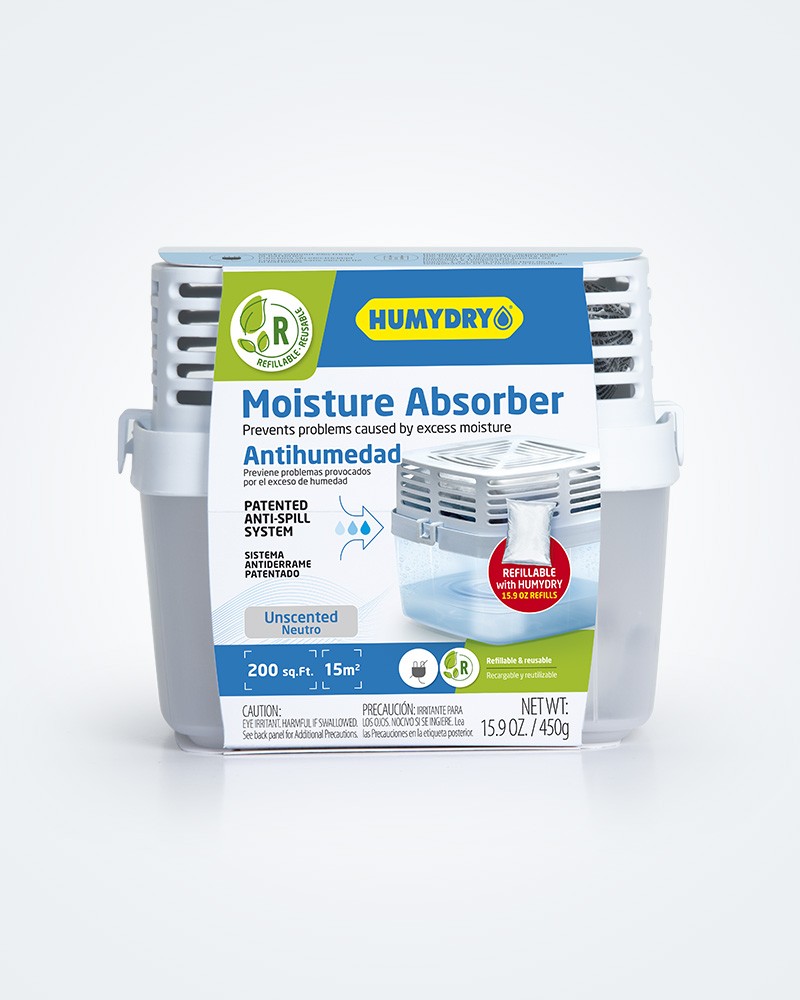
How mold starts: moisture, time, and food
Mold is simple. It needs moisture, time, and food. Food can be paper, dust, wood, or fabric. Time can be as little as 24 to 48 hours.
Humidity is the spark. When indoor relative humidity stays above 60%, risk jumps. Warm air holds more moisture. When that warm air hits a cool surface, you get condensation. That is mold’s welcome sign.
Keep humidity between 30% and 50% to lower risk. Fix leaks fast. Vent steam outside. Then use tools, like moisture absorbers, to fine-tune small trouble spots.
What moisture absorbers do (and what they cannot)
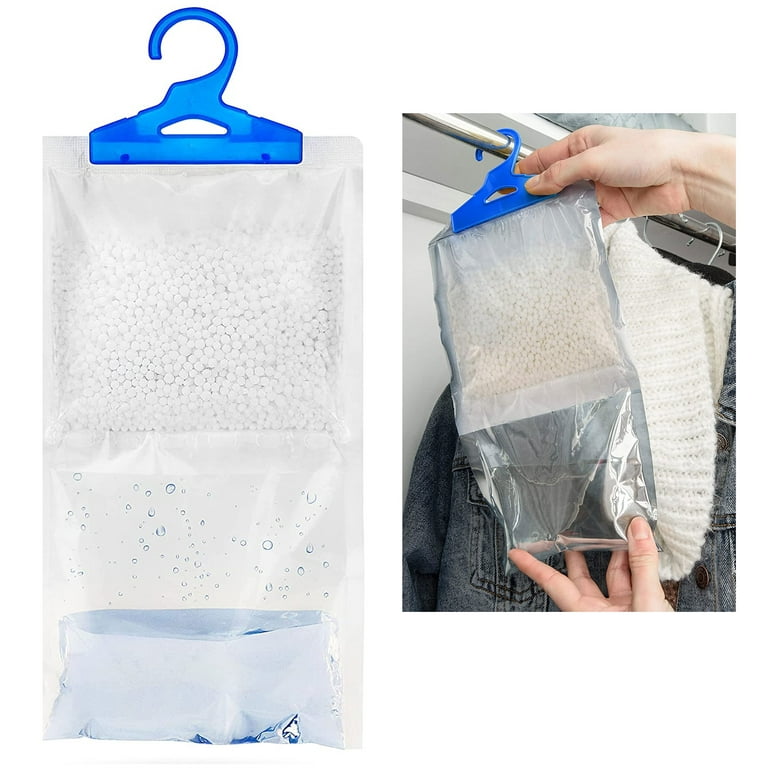
Moisture absorbers are passive. They pull water from the air. They come as crystals, beads, or packets. You place them in a space and they soak up moisture.
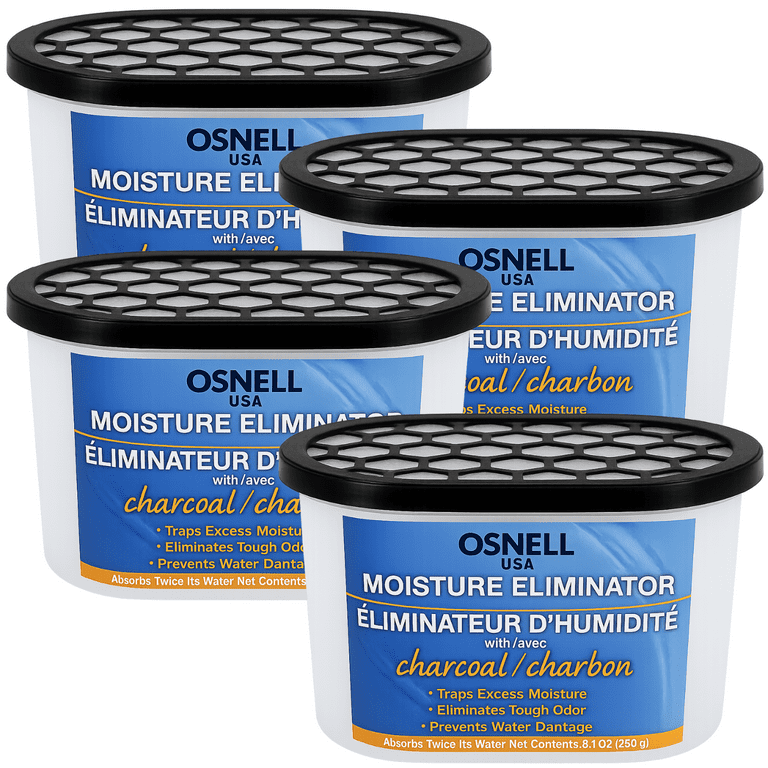
Most use calcium chloride or silica gel. They can drop humidity in small, closed areas. Think closets, cabinets, gun safes, storage bins, or boats during storage. They cut dampness and musty smell. They reduce condensation on cool surfaces.
But they have limits. They cannot fix a leak, a flood, or wet building materials. They cannot control a large, open room. They cannot replace an electric dehumidifier in a damp basement. Know the limits and you will get good results.
Can moisture absorbers prevent mold? The short and long answer
Here is the core point. Can moisture absorbers prevent mold? Yes, in tight spaces with mild humidity issues. Can moisture absorbers prevent mold in a damp basement? Not by themselves. Can moisture absorbers prevent mold in a bathroom with daily showers? Not without exhaust and airflow.
Use cases where they help:
- Closets and wardrobes. They catch moisture from warm shower steam and seasonal humidity.
- Storage totes and boxes. They keep fabrics and papers dry in garages and sheds.
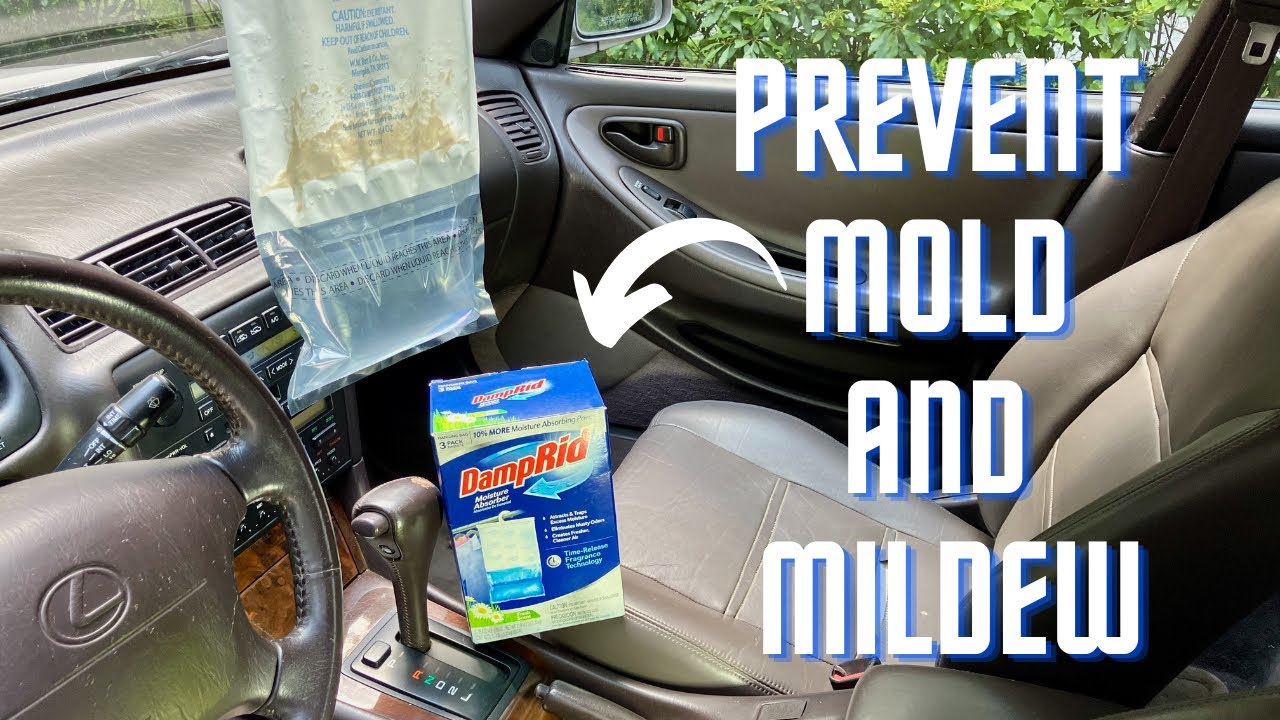
- Boats, RVs, and cars in storage. They cut condensation during cool nights and warm days.
- Gun safes and camera bags. They protect metal and lenses from rust and haze.
- Kitchen and bath cabinets on exterior walls. They help where cold walls cause condensation.
Use cases where they are not enough:
- Wet basements or crawl spaces. You need drainage, sealing, and a dehumidifier.
- Rooms with ongoing leaks or seepage. Fix the source first.
- Bathrooms with poor ventilation. You need a good exhaust fan that vents outside.
- Homes in very humid climates during summer. You need AC and dehumidification.
So, can moisture absorbers prevent mold? Yes, when the space is small, closed, and only a little damp. In bigger or wetter spaces, they are a helper, not the fix. Ask yourself one more time: can moisture absorbers prevent mold without source control? No, they cannot.

Types of moisture absorbers and how to choose
There are a few common types. Pick based on space size, safety, and maintenance.
- Calcium chloride tubs. High capacity. Great for closets and storage rooms. They turn into liquid brine as they work. Keep upright and out of reach of kids and pets.
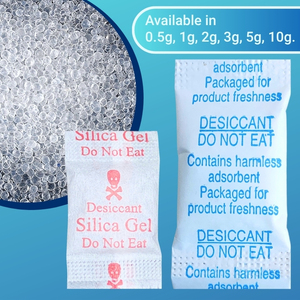
- Silica gel packets or canisters. Reusable in many cases. Heat to dry and recharge. Lower capacity but very safe for small containers, safes, and bags.
- Clay or mineral desiccants. Natural and simple. Capacity is modest. Good for small boxes.
- Activated charcoal blends. Help with odor. Moisture control is limited compared to calcium chloride.
- Rechargeable desiccant units. Plug in to dry. Handy for safes, cabinets, and RV compartments.
Key tips:
- For higher humidity or larger closets, choose calcium chloride tubs.
- For small, sensitive gear, choose silica gel canisters.
- If odors bug you, add a charcoal pouch as a sidekick.
- For long-term use, consider refillable tubs or rechargeable units to cut waste.

Sizing, placement, and maintenance
Right size and placement matter. Here is a simple plan.
- Measure humidity with a small hygrometer. Aim for 30% to 50% RH.
- For a small closet, start with one standard tub or two canisters. Check in a week.
- Place absorbers low and near problem spots, like exterior walls or behind shoes.
- Keep doors and lids closed so the absorber can work on a small air volume.
- Replace or recharge when crystals dissolve or color sensors show saturation.
- Record change dates on the container. This helps you learn your space’s pattern.
Extra tip: Use felt pads or a tray under calcium chloride tubs to catch spills. The brine can be salty and may stain or corrode metal.

Common mistakes and safety tips
I see the same errors often. Avoid these and you will save time and money.
- Using absorbers to mask leaks. Always fix leaks first.
- Expecting one small pack to dry a whole room. Use them only in sealed or small areas.
- Letting calcium chloride spill on floors or tools. Keep tubs stable and check often.
- Skipping ventilation in bathrooms and kitchens. Use the fan while and after you cook or shower.
- Ignoring dust. Dust is mold food. Clean surfaces and filters to cut risk.
Safety basics:
- Keep out of reach of kids and pets.
- Do not eat the crystals or beads. If spilled, wear gloves to clean.
- Dispose of liquids per label. Do not pour brine on plants or metal surfaces.
Real-world stories and lessons learned
In my own home, a hall closet used to smell musty each summer. A single calcium chloride tub dropped RH from 65% to 50% in three days. The smell faded in a week. Now I swap it every six to eight weeks in peak season.
On a client’s boat, silica gel alone was too weak. We switched to two large calcium chloride tubs and cracked a vent for airflow. Cushions stayed dry, and no new mildew spots showed over winter.
In a basement office, we tested if can moisture absorbers prevent mold by placing four tubs. RH stayed near 70%. The answer was clear. We added a 50-pint dehumidifier, sealed a rim joist gap, and aimed for 45% RH. No mold since.
Key lesson: can moisture absorbers prevent mold when the moisture load is low. They are great sidekicks, not heroes, in big jobs.
Cost, ROI, and when to shift to a dehumidifier
Let’s talk money and results.
- Calcium chloride tubs cost a few dollars and last one to two months in mild damp.
- Silica gel canisters cost more at first but can be recharged many times.
- A mid-size dehumidifier costs more up front but removes pints per day, not ounces.
If you are replacing tubs every few weeks in a room, do the math. A dehumidifier can be cheaper over a season. It also gives steady control and better comfort.
Use this simple rule:
- If the space is small and closed, try absorbers first.
- If RH stays above 60% or you have musty smells in an open room, get a dehumidifier.
- If water enters from outside, fix drainage, seal leaks, and then control humidity.
One more check: run your AC in summer and set indoor RH to about 45% to 50%. This supports your whole plan.
A simple mold prevention plan you can follow today
You can start now with a clean, quick plan.
- Find moisture sources. Look for leaks, drips, and condensation.
- Vent smart. Use bath and kitchen fans for 20 to 30 minutes after use.
- Control humidity. Aim for 30% to 50% RH with AC, fans, and dehumidifiers.
- Use absorbers in small spaces. Closets, cabinets, storage bins, and safes do well.
- Clean dust. Wipe shelves and baseboards. Wash or replace HVAC filters.
- Watch and adjust. Use a hygrometer and a calendar reminder to check monthly.
Do this and you cut risk fast. You also learn where can moisture absorbers prevent mold and where you need more power.
Frequently Asked Questions of can moisture absorbers prevent mold
How do moisture absorbers work?
They pull water vapor from the air and hold it in crystals, beads, or brine. This lowers humidity in small, closed spaces and reduces mold risk.
Are moisture absorbers safe to use around pets and kids?
Most are safe when used as directed, but do not let anyone ingest them. Keep them out of reach and clean spills right away.
Can moisture absorbers prevent mold in a bathroom?
They help a little, but not enough on their own. Use a strong exhaust fan that vents outside and run it during and after showers.
Will a moisture absorber fix a damp basement?
No. You need source control and an electric dehumidifier for open, damp areas. Absorbers can help inside closets or storage bins within that basement.
How long do moisture absorbers last?
It depends on humidity and size. Many last a few weeks to two months before needing a refill or recharge.
Do I still need ventilation if I use absorbers?
Yes. Ventilation and source control come first. Absorbers are a support tool for targeted spots.
Can moisture absorbers prevent mold in storage boxes and closets?
Yes, this is where they shine. Use one packet or tub per small enclosed space and check monthly.
Conclusion
Moisture drives mold, and control is the cure. In small, enclosed spaces, moisture absorbers can lower humidity enough to prevent mold. In larger or wetter areas, they are not enough by themselves. Pair them with good airflow, exhaust fans, AC or a dehumidifier, and quick fixes for leaks.
Start simple today. Place absorbers in closets and storage bins, add a hygrometer, and note changes. If your RH stays high, step up to a dehumidifier and source repairs. Want more tips like this? Subscribe, share your results, or drop your questions in the comments.